Stressing a post tension slab is one of the highest-risk operations on a concrete job. Each 0.5 in, 270 ksi strand is pulled to about 33 kip at the jack. If a wedge slips, an anchor bursts out of weak concrete or a strand breaks, that energy is released along the line of the tendon, with no warning.
Injury is the first cost. The second is the post tension slab itself: a blowout or an unrecorded short elongation means re-work, delay and liability.
From our experience stressing residential and commercial PT slabs, a disciplined protocol removes the preventable incidents. Here is the sequence we follow, tied to the rules behind each step.
Why Post Tension Slab Stressing Is Hazardous
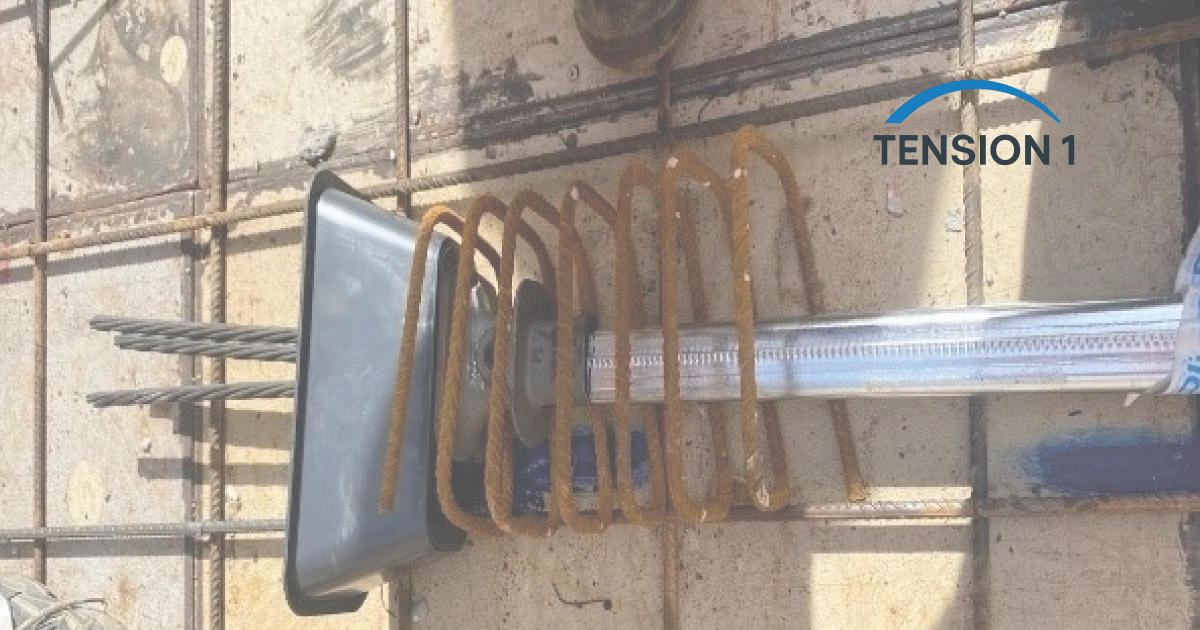
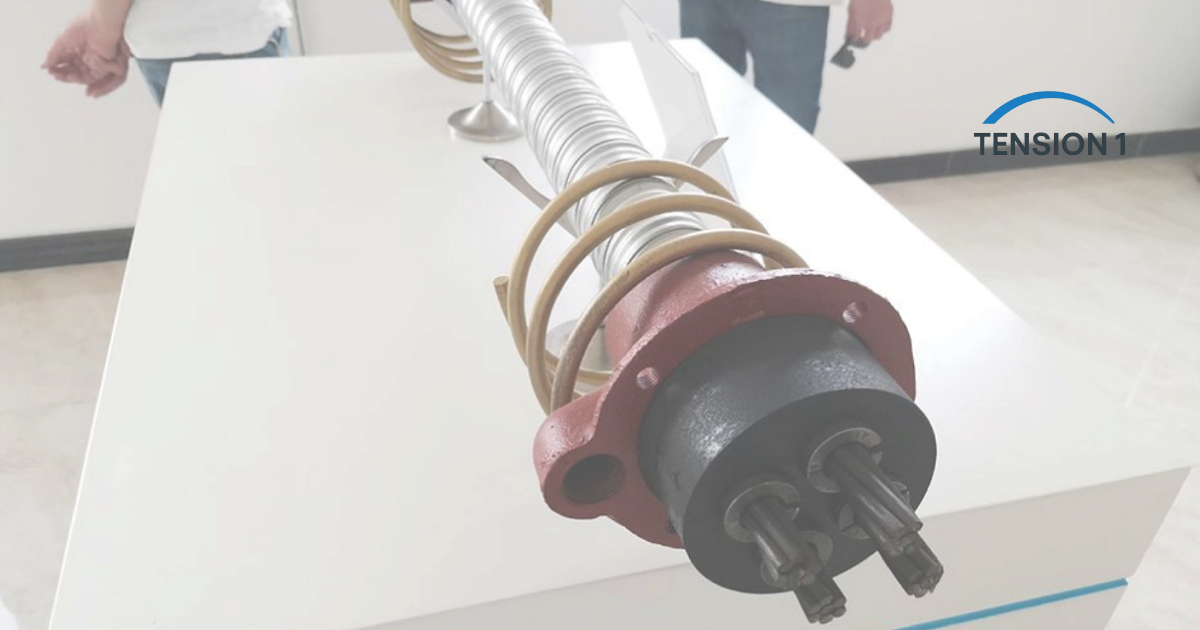
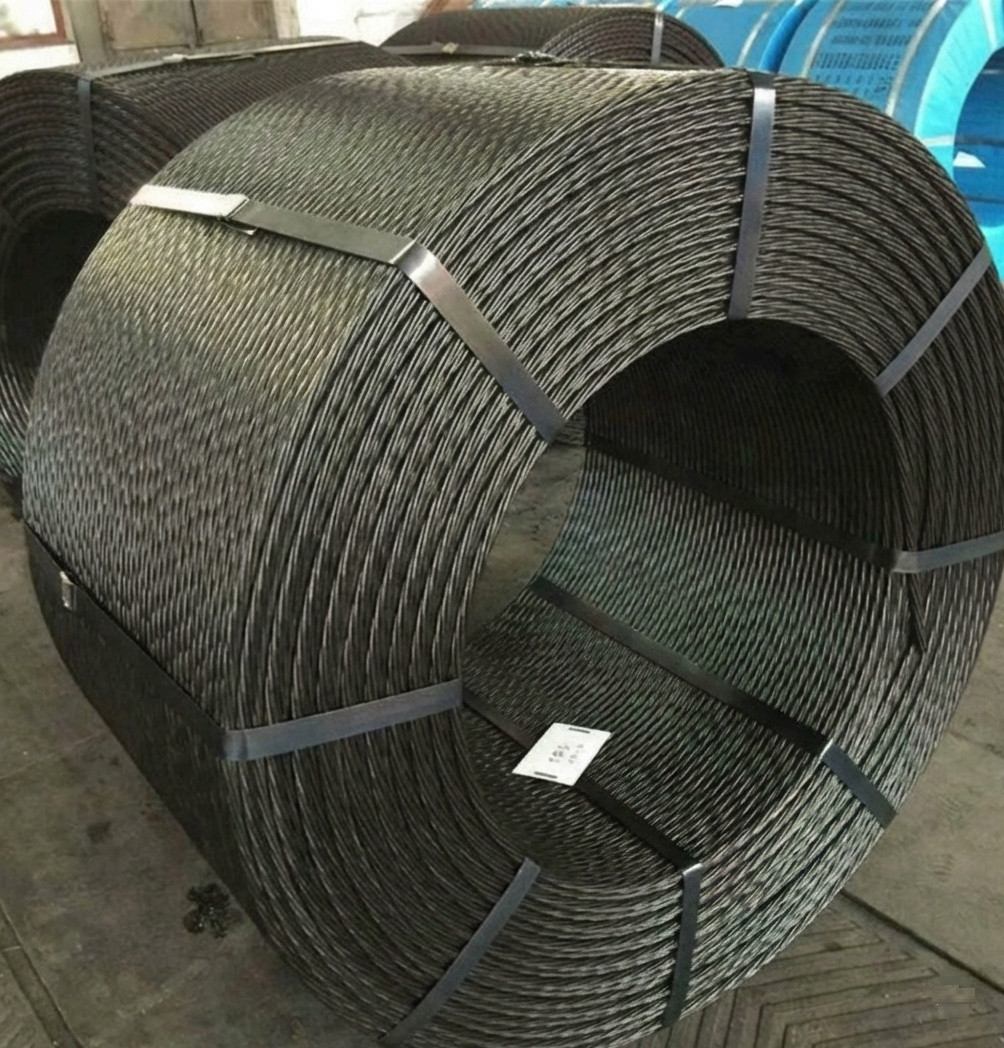
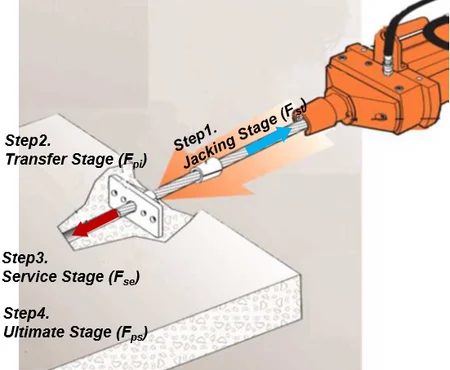
In an unbonded monostrand system, each strand is greased, sheathed in plastic, anchored at a dead end cast into one edge and stressed from a live end at the other. A hydraulic jack grips the strand tail, pulls it, and wedges lock it against a bearing plate. Most post tension slab foundations and many elevated PT decks in Texas use this system.
Everything then depends on the bearing plate, the wedges and the concrete behind them. If one fails under load, strand and hardware travel along the tendon line and out of the post tension slab edge. That is why the zone behind the jack is where people get hurt.
What the Federal Rule Requires
OSHA's concrete and masonry standard, 29 CFR 1926.701(c) in Subpart Q, sets two requirements for post-tensioning:
- No employee except those essential to the post-tensioning operation may be behind the jack during tensioning.
- Signs and barriers must be erected to limit access to the post-tensioning area during tensioning.
The rule gives no distance; that is a site decision for every post tension slab, and ours is below.
Pre-Stressing Checks on the Post Tension Slab
1. Concrete strength
This is the gate. Stressing a post tension slab waits for the strength the contract documents specify; on most Texas residential projects the engineer of record specifies 3,000 psi. A Portland Cement Association design article (2005) ties that common minimum to the bearing capacity of a typical anchor.
We confirm strength with field-cured cylinders from an accredited laboratory, never by age alone. Relying on assumed 3-day or 7-day strengths without cylinder data is a shortcut that has caused anchor blowouts on Dallas-area projects. Do not skip the break.
2. Layout and hardware
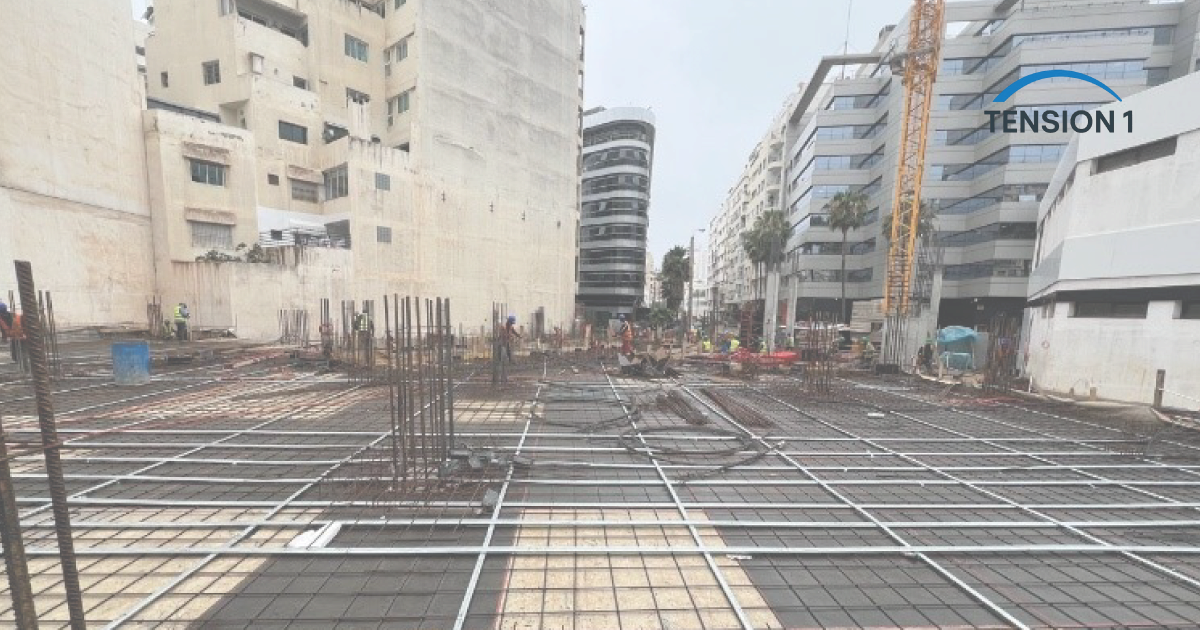
Compare the installed tendons with the approved shop drawings: spacing, live-end designation, chair heights and sheathing. Repair damaged sheathing before the pour per the tendon specification; if damage is suspected after the pour, document it for the engineer of record.
3. Jack and gauge
The jack and gauge are calibrated as a matched set. PTI expects calibration between projects and within six months, according to STRUCTURE magazine's best practices for PT elongation records (2025). Keep the certificate on site.
Gauge condition matters as much as the certificate date. A gauge with a cracked lens or a sticky needle can read consistently at low pressure and drift significantly above 70 percent of jack capacity. Inspect the dial before every operation.
The Live-End Zone: Post Tension Slab Stressing Non-Negotiables
Set the exclusion zone
We establish a minimum 10 ft clear zone behind every live-end anchor, marked with physical barriers and posted signs, which puts the OSHA requirement into a number the crew can see.
A typical violation is not recklessness. It is the second worker who walks behind the jack to hand the stressor a tool or read a measurement while the jack is under load. Brief the whole crew, not just the person on the jack.
Seat the jack square
Seat the jack squarely against the bearing plate. Eccentric seating loads the strand off-axis, seats wedges unevenly and, in extreme cases, causes premature wedge failure. Use a centering adapter where the pocket geometry prevents flush seating.
Load in stages
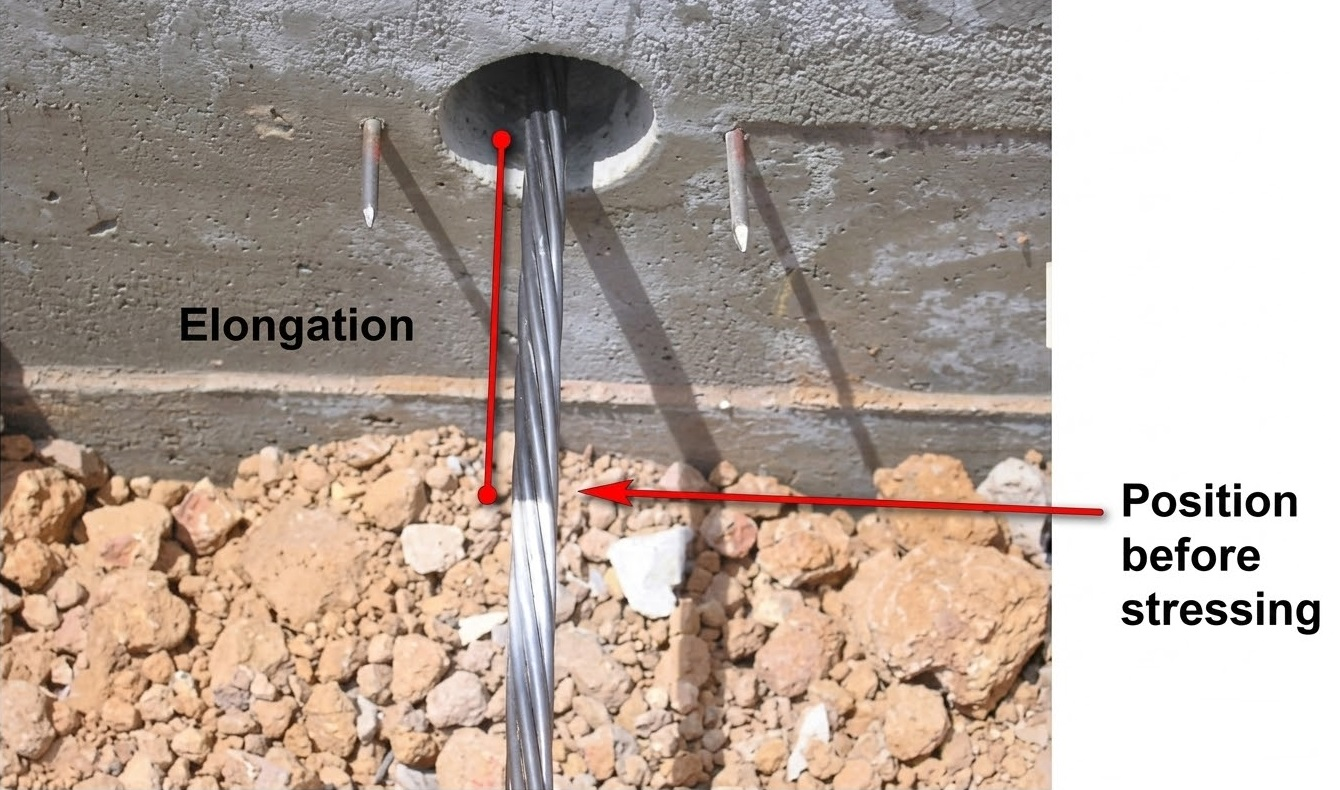
Our standard procedure is to bring the jack to about 10 percent of the design jacking force, pause, and confirm the strand is moving as expected before continuing. We record elongation at 25, 50, 75 and 100 percent of the jacking force. If a reading deviates beyond tolerance at any stage, we stop, release and investigate: a kinked tendon, a misidentified tendon or a damaged gripper.
Do not extrapolate. A reading 15 percent low at 75 percent of load does not correct itself at 100 percent.
Accept, then cut
ACI 318-19 Section 26.10.2 requires the force to be verified by both measured elongation and calibrated gauge pressure, and the cause of any difference above 7 percent in post-tensioned construction to be found and corrected. Tails stay uncut until that check is passed and documented. The full elongation and finishing workflow is in our contractor's checklist for stressing and grouting procedures.
Post Tension Slab Stressing Safety: Summary
| Phase | Requirement | Basis |
|---|---|---|
| Access control | Only essential crew behind the jack; signs and barriers | OSHA 29 CFR 1926.701(c) |
| Exclusion zone | 10 ft minimum behind each live end | TensionOne site practice |
| Concrete strength | Field-cured breaks meet the specified transfer strength | Contract documents |
| Equipment | Jack and gauge calibrated as a set within six months; gauge inspected | PTI, per STRUCTURE (2025) |
| Load application | 10 percent check, then readings at 25, 50, 75 and 100 percent | TensionOne site practice |
| Acceptance | Gauge and elongation agree within 7 percent | ACI 318-19 Section 26.10.2 |
| Tails | Cut only after the log is approved | Hold point |
What Worked on Site and What to Watch
What worked on site
- A 5-minute pre-stress tailgate meeting with every member of the crew, including nearby finishers, eliminated unauthorized personnel in the exclusion zone on every project where we used it.
- A witness mark, a paint line across the strand and bearing plate before jacking, gave immediate visual confirmation of strand movement independent of the gauge.
- A single-page stressing log per tendon, with columns for jack number, gauge pressure and elongation at each load step, reduced entry errors and made engineering review straightforward.
What to watch
- Self-documentation: letting the stressing subcontractor document elongations without our representative on site for the first pull produced inconsistent logs and missing intermediate readings, which delayed certification.
- Undersized jacks: a jack rated too close to the design jacking force is a problem. We now specify at least 25 percent capacity above the maximum per-strand jacking force.
- Early tail cuts: on one occasion, an out-of-tolerance elongation was found after tails had already been cut flush. The remediation required core drilling and a mechanical coupler, and cost more than the entire stressing operation.
Beyond Stressing Day
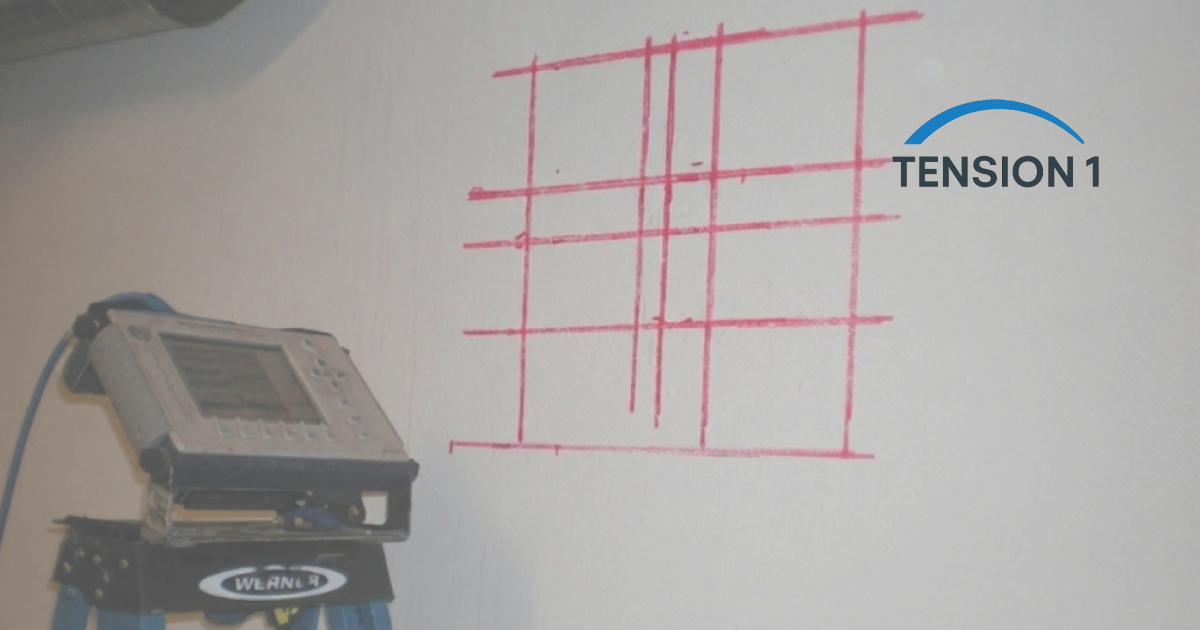
The tendons stay stressed for the life of the post tension slab, so later cutting and coring carry their own risks. See our checklist to locate and avoid post-tension cables before drilling and 5 crucial mistakes when cutting into a post-tension slab. On the design side, anchor locations are covered in how anchorage placement affects load distribution, and spans in the maximum recommended span for a residential post-tension slab.
The governing code edition, OSHA rules and project documents take precedence over this article, and approval of the stressing record belongs to the licensed engineer of record. Our sourcing rules are in our editorial policy. If a post tension slab stressing log has come back with tendons out of tolerance, a technical consultation on your stressing records reviews the readings and likely causes before any tail is cut.