A hairline crack across the garage floor. A rust streak under a patch at the slab edge. A bedroom door that stopped latching in August. Owners notice them months apart, so by the time someone connects them, the inspector has nothing to compare against and a simple early check has become a larger repair. This post tension slab maintenance checklist gives you ten visual checks to repeat on a schedule, each logged with a date and a photo. You never touch the slab. You build a dated, repeatable record that a qualified inspector can read in minutes and act on.
What a Post Tension Slab Is Doing Under Your House
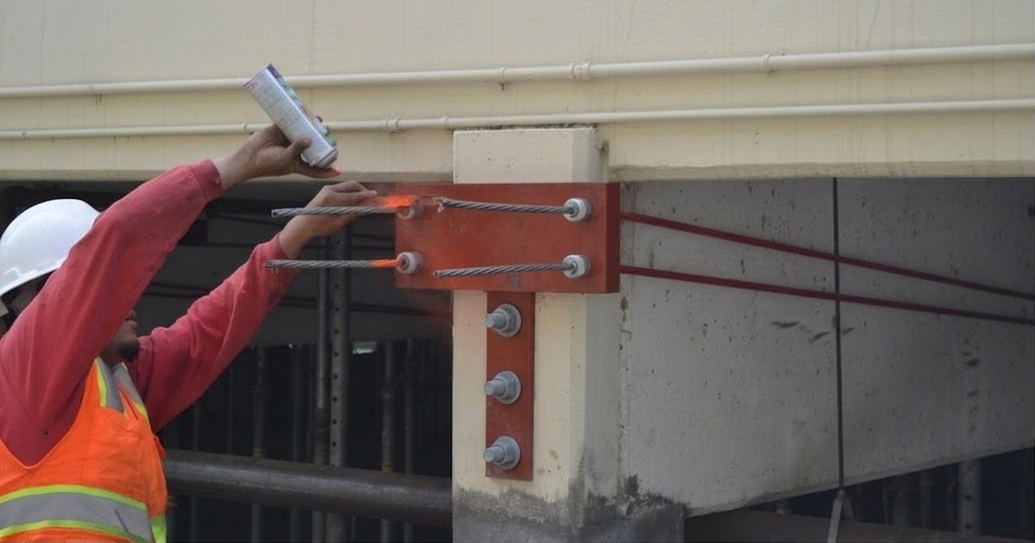
Your slab contains tendons, the steel cables running through your slab, pulled tight after the concrete hardens. That tension squeezes the concrete into one stiff plate over soil that swells and shrinks unevenly.
The Post-Tensioning Institute (PTI) states in DC10.8-18, its Guide for Performance Evaluation of Slab-on-Ground Foundations, that these foundations are not designed to control soil movement. When movement exceeds the design, most post tension foundation problems show at the surface first. The design follows PTI DC10.5-24 (December 2024) and the project documents, and belongs to the licensed engineer of record. This checklist records; it does not evaluate.
How to Run This Post Tension Slab Maintenance Checklist Safely
Walk the house each season and after a drought or heavy rain. Our article on whether post-tension slabs require regular professional inspection explains how this fits with a professional post tension slab inspection.
Bring a flashlight, a phone camera, a crack width card (a plastic card printed with lines of known width) and a dated log. Photograph each finding from the same spot every time. To confirm the slab is post-tensioned, look for patched recesses spaced along the slab edge or a warning stamp in the garage slab.
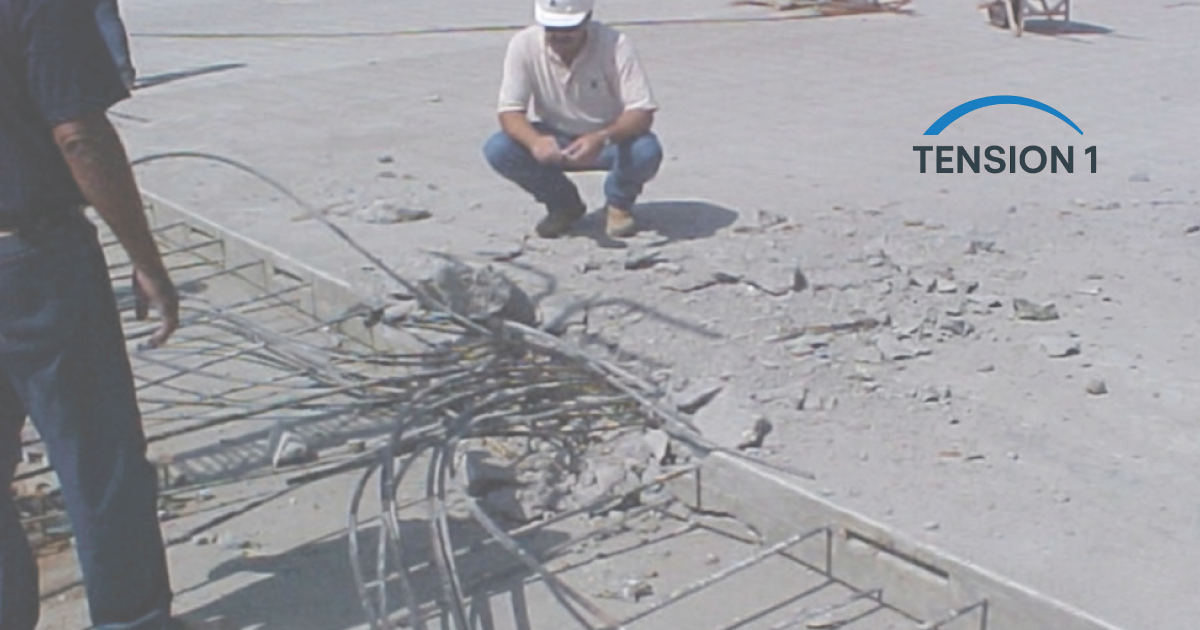
One rule overrides the rest: look, never touch. Do not chip, probe, drill, core or saw the slab. A cut tendon can release suddenly, injure someone and weaken the slab. Locating tendons before any penetration is work for a qualified technician with scanning equipment, under an engineer's direction. If one has already been hit, see our emergency protocol for a cut post-tension tendon.
10 Visual Checks That Build a Record Your Inspector Can Use
An inspector sees one day. Your log shows months. Work outside first, then inside.
1. Cracks at the Slab Edge and Exposed Grade Beam
The grade beam is the thickened slab edge under the walls. For cracks in post tension slab edges, record location, length and width each season; change is what matters. A crack that widens, lengthens or offsets goes to an engineer.
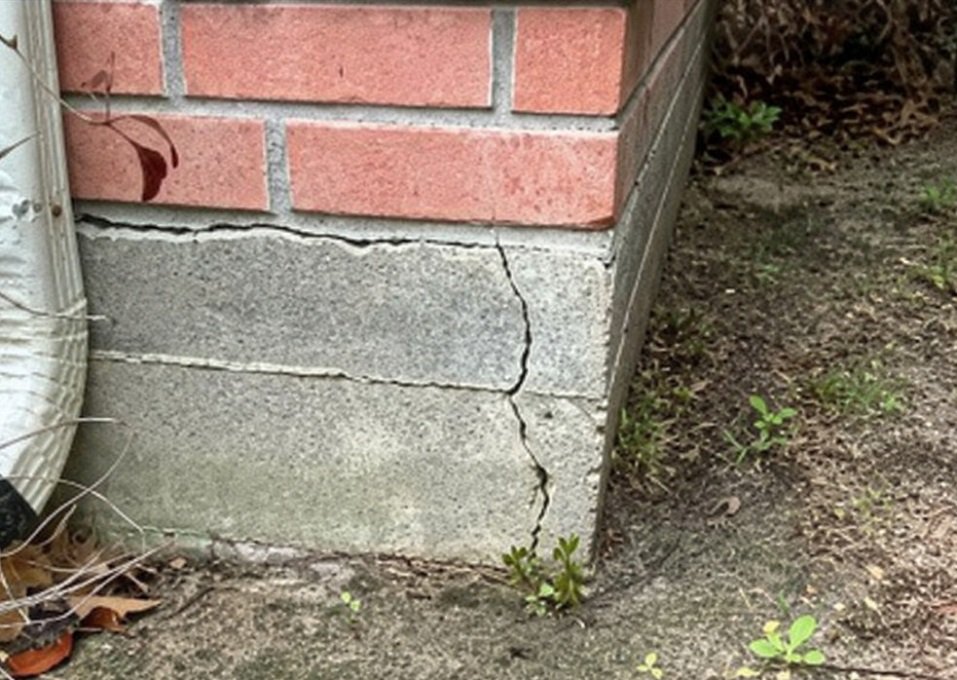
2. Anchor Pockets Along the Slab Edge
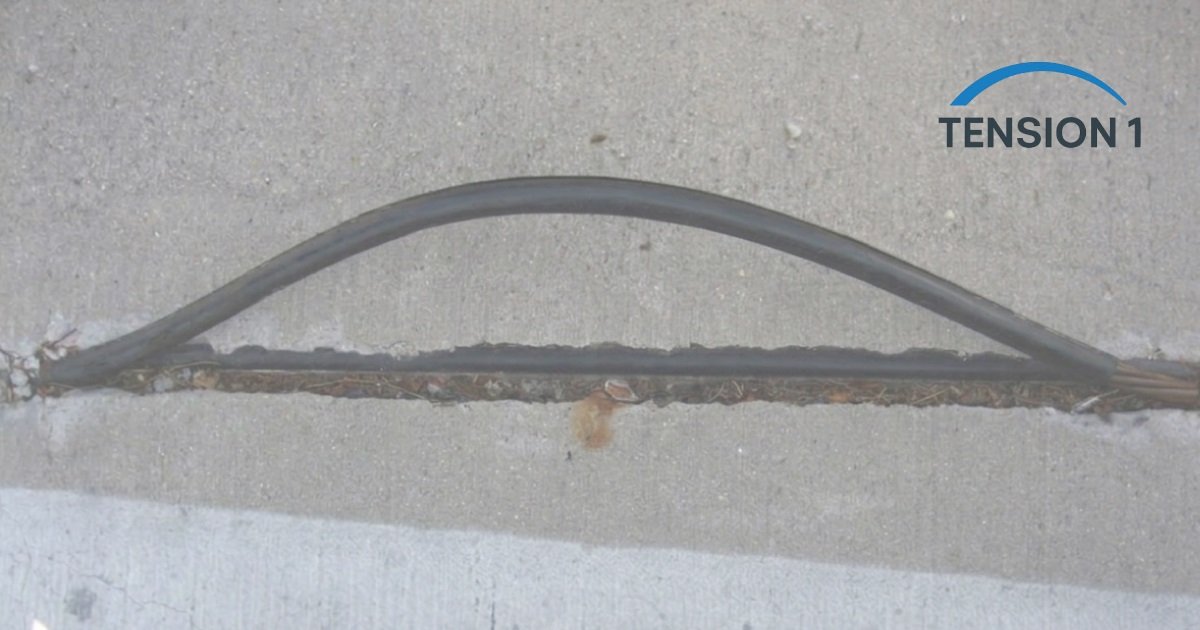
An anchor pocket is the recess at the slab edge where a tendon is anchored, sealed with a grout patch that keeps moisture off the steel. Log any patch that is cracked, loose, missing or stained; a visible tendon end is an immediate call. PTI M10.6-15 covers tendon end protection.
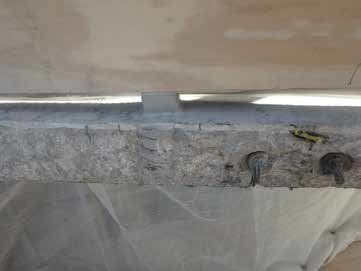
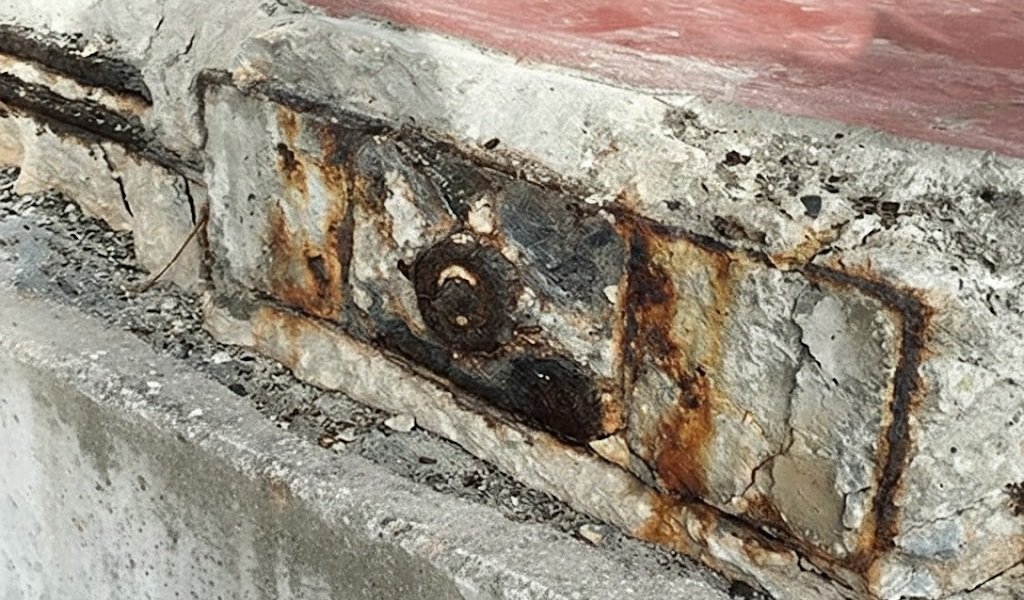
3. Rust Stains, Streaks or Exposed Steel
Orange or brown streaks below an anchor pocket can mean the steel inside is corroding, which weakens a tendon out of sight. Photograph the stain, note its size and leave it alone.
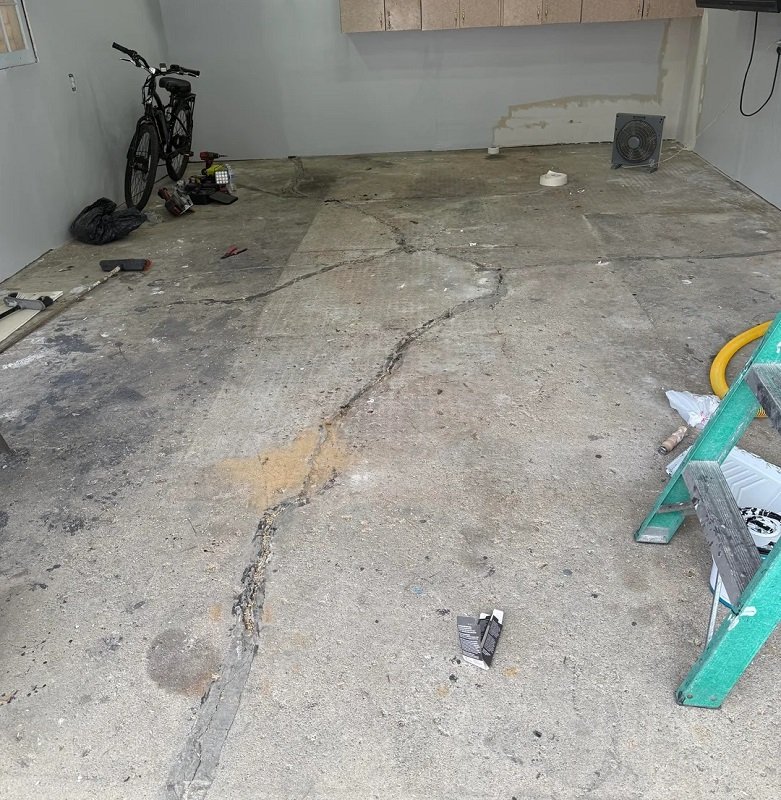
4. Cracks in Interior Tile and the Garage Floor
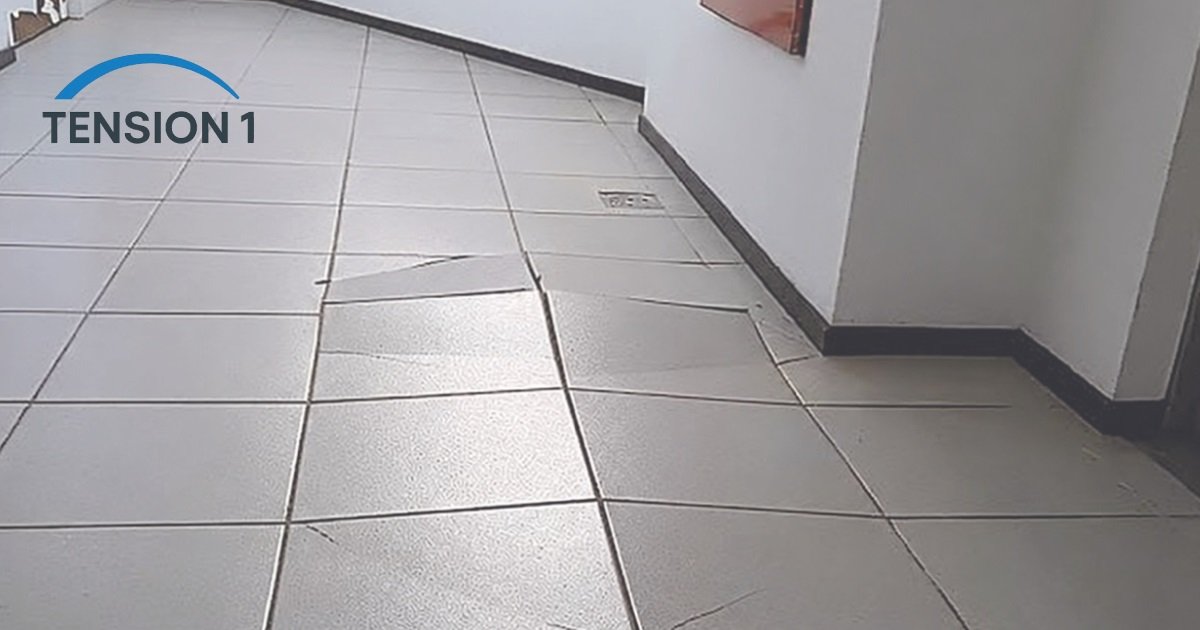
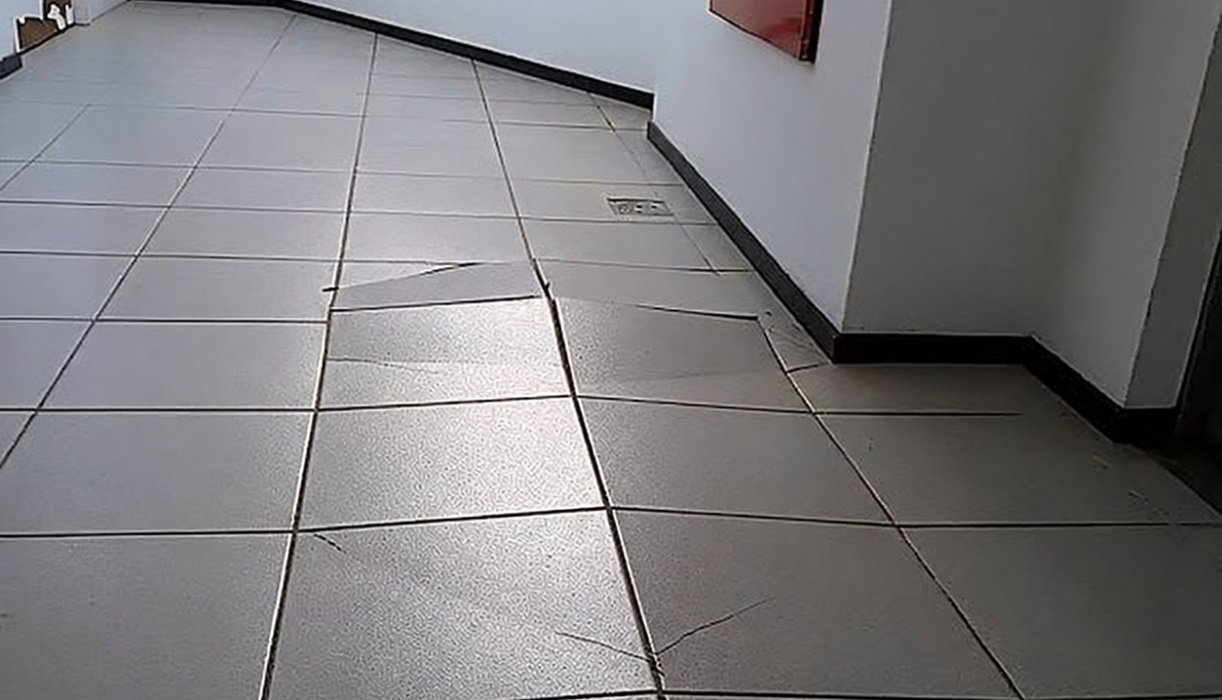
Random hairline cracks are often shrinkage. Log cracks that line up across tiles, widen between visits or have one edge higher.
5. Doors and Windows That Stick or Gap
A door that suddenly binds or shows a tapered gap is an indirect reading of movement. PTI DC10.8-18 treats this as functional distress. Note which doors and the season: problems that come and go with wet and dry months point toward soil moisture.
6. Drywall, Ceiling and Brick Veneer Cracks
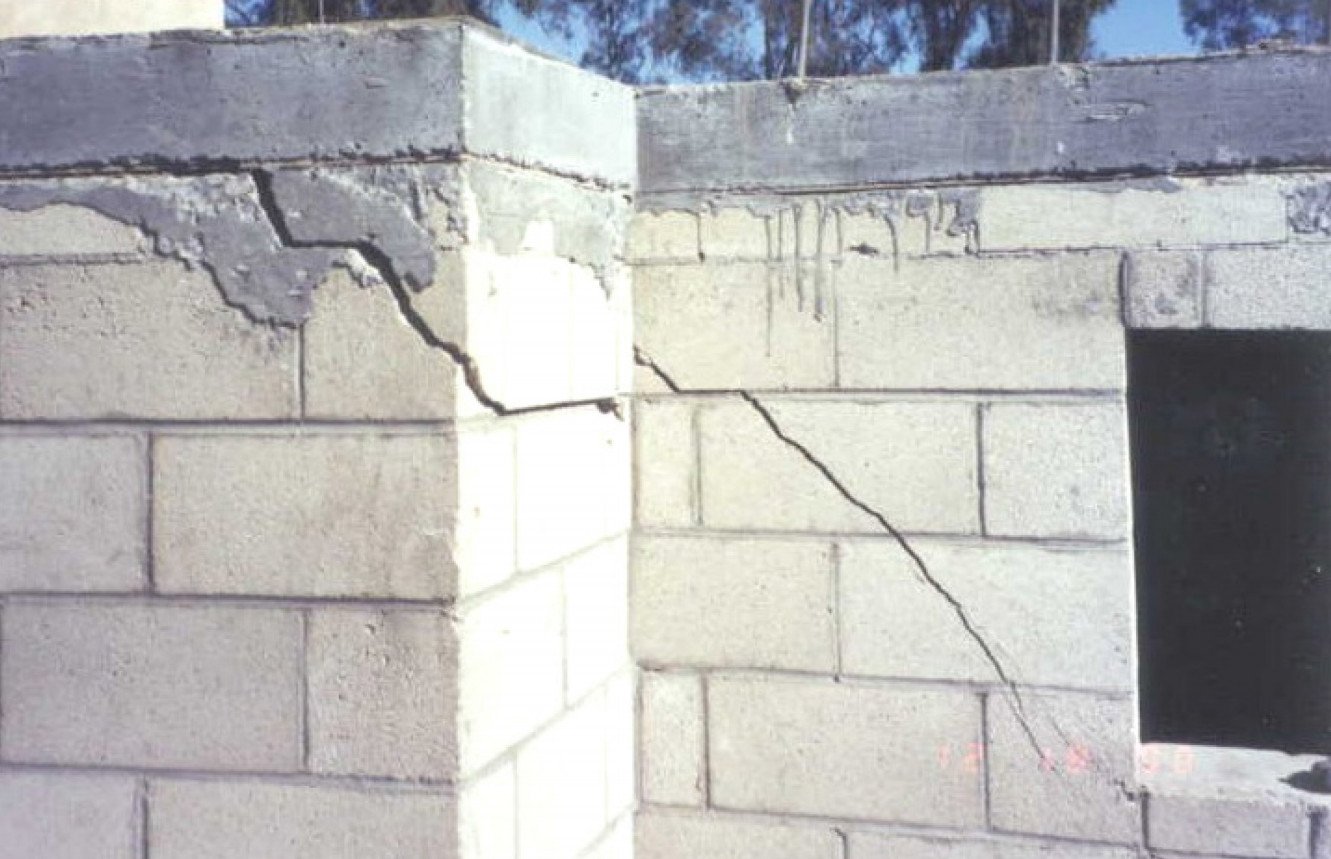
Diagonal drywall cracks from opening corners and stair-step brick cracks are typical movement patterns. One crack says little; several pointing to one area form a pattern.
7. Floors That Look or Feel Out of Level
Note a rolling ball or a slope you feel, but do not measure it. A professional floor elevation survey does, assessed under PTI DC10.8-18 by curvature and tilt over a 25 ft chord, a fixed length across the floor.
8. Drainage, Gutters and Downspouts
A PTI presentation on construction and maintenance of post-tensioned slab-on-ground foundations ties long-term performance to drainage and owner moisture maintenance, developed in PTI DC10.2-17. Check that soil slopes away, gutters are clear and downspouts discharge away from the slab. Log water standing after rain. The International Residential Code sets a minimum ground slope away from foundations. For a post tension slab Texas homeowners keep on expansive clay, this check matters most.
9. Soil Gaps, Trees and Moisture at the Perimeter
In dry months, expansive clay, soil that swells when wet and shrinks when dry, can pull away from the slab. Texas A&M AgriLife Extension publication B-5002, Maintenance of Existing Foundations on Expansive Clay Soils, covers these clays. Log gap width and nearby trees. Observe only; do not dig.
10. Unexplained Water, Damp Spots or a Rising Water Bill
A damp or warm floor spot, seepage at the slab edge or an unexplained rise in the water bill can signal a leak under the slab. Record the date and meter reading, then call a licensed plumber.
Reading Your Results: Cosmetic, Functional or Structural
After a few rounds, your log says what one visit cannot. The PTI training on slab-on-ground performance evaluation under DC10.8-18 sorts distress into three broad categories:
- Cosmetic: appearance only, such as hairline cracks.
- Functional: the house no longer works as intended, such as doors that bind.
- Structural: the capacity of the foundation or framing to carry load may be affected.
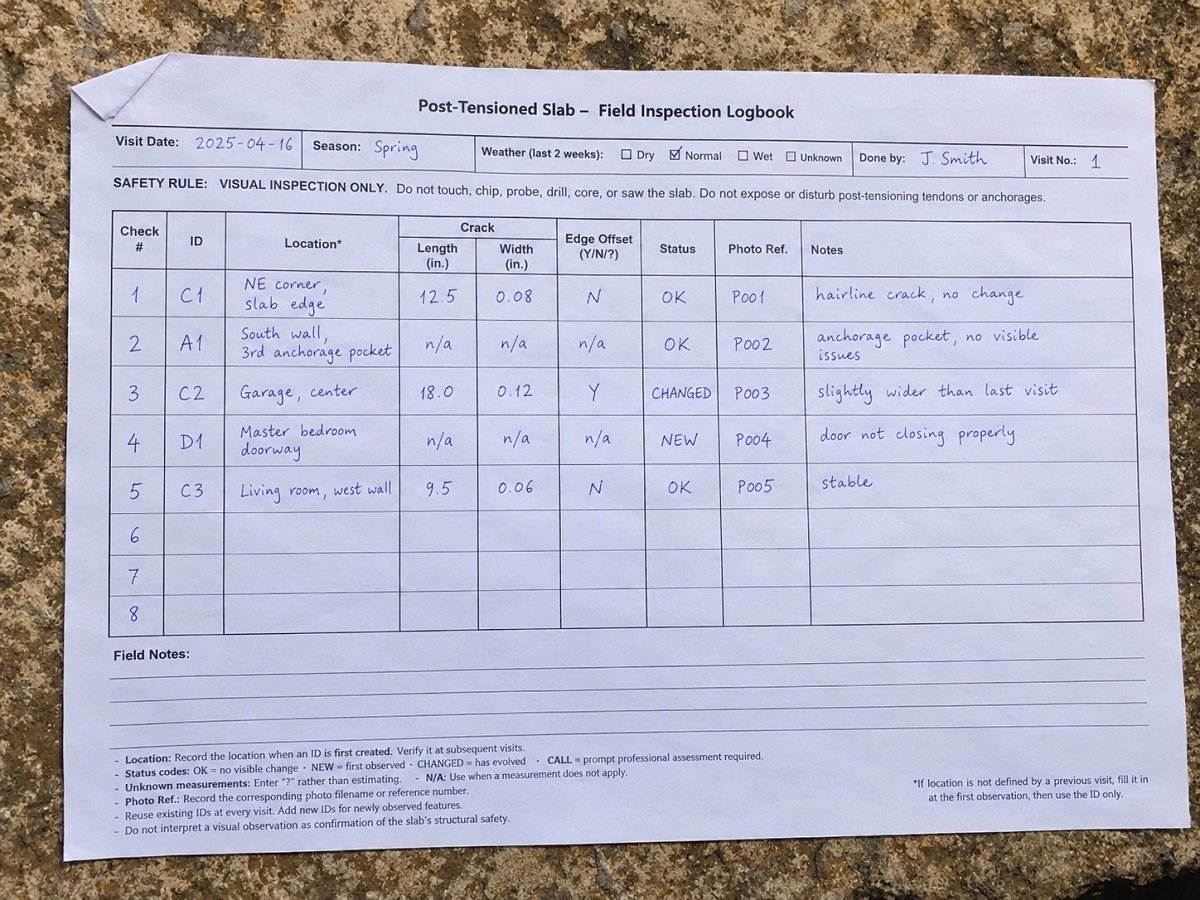
The category is the professional's call. Your job is the trend: a crack unchanged for a year differs from one that doubled since spring, and a dated post tension slab maintenance checklist makes that visible. If several entries match the warning signs that a post-tension slab needs immediate expert repair, move to the next section.
For an independent read on a report or quote you already hold, our expert technical consulting service offers a paid second opinion.
Who to Call When a Check Comes Back Wrong
Call in this order:
- A licensed professional engineer experienced in residential foundations, for an on-site evaluation. In Texas, check the license with the Texas Board of Professional Engineers and Land Surveyors; the ASCE Texas Section residential foundation guidelines (Version 3, effective April 1, 2022) describe the evaluation.
- A licensed plumber, if check 10 raised a leak concern.
- A specialized post-tensioning repair contractor, for any work on tendons or anchor pockets, following the engineer's repair documents.
Bring your log to every visit. Before comparing quotes, our post-tension slab repair cost calculator by damage type and Texas region shows what drives the price. Any repair follows the governing code edition and project documents, with sealing and approval by the licensed engineer of record.