What You See at the Slab Edge Before Post Tension Anchor Repair
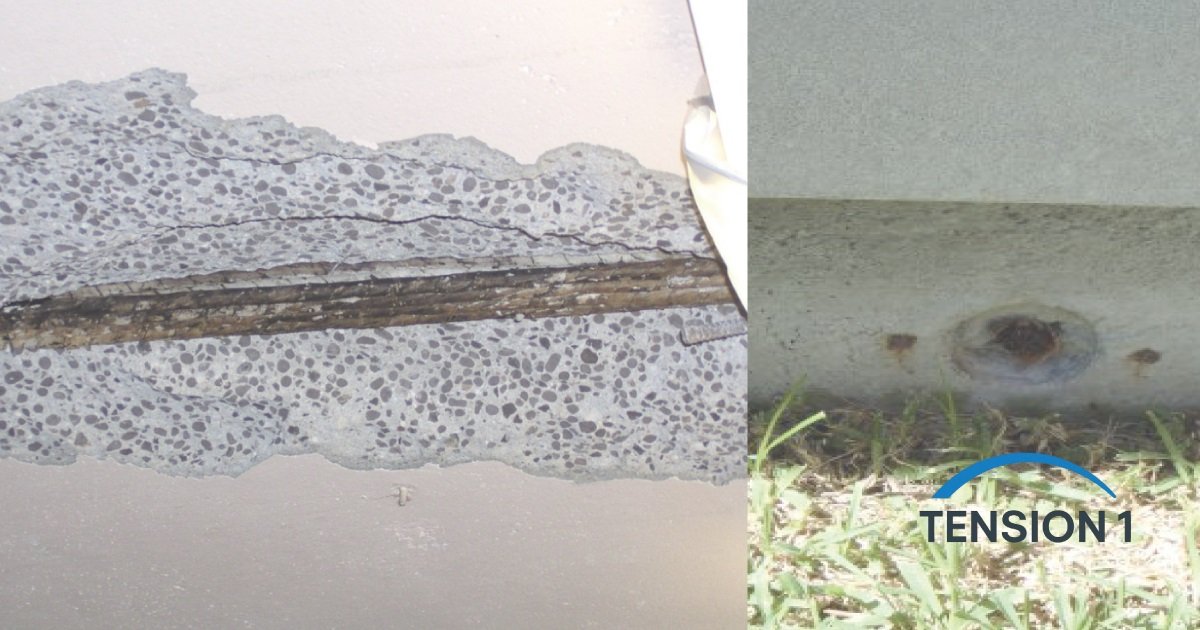
Along the base of your foundation you notice small round marks: one with a rust streak, one showing a cut steel cable, one missing a chunk of concrete. These are the anchor ends of a post-tensioned slab, and post tension anchor repair is the work that deals with them. Left alone, water keeps reaching highly stressed steel. Here is what the crew does, when a patch is not enough, and what to check in a quote. It is not a DIY guide.
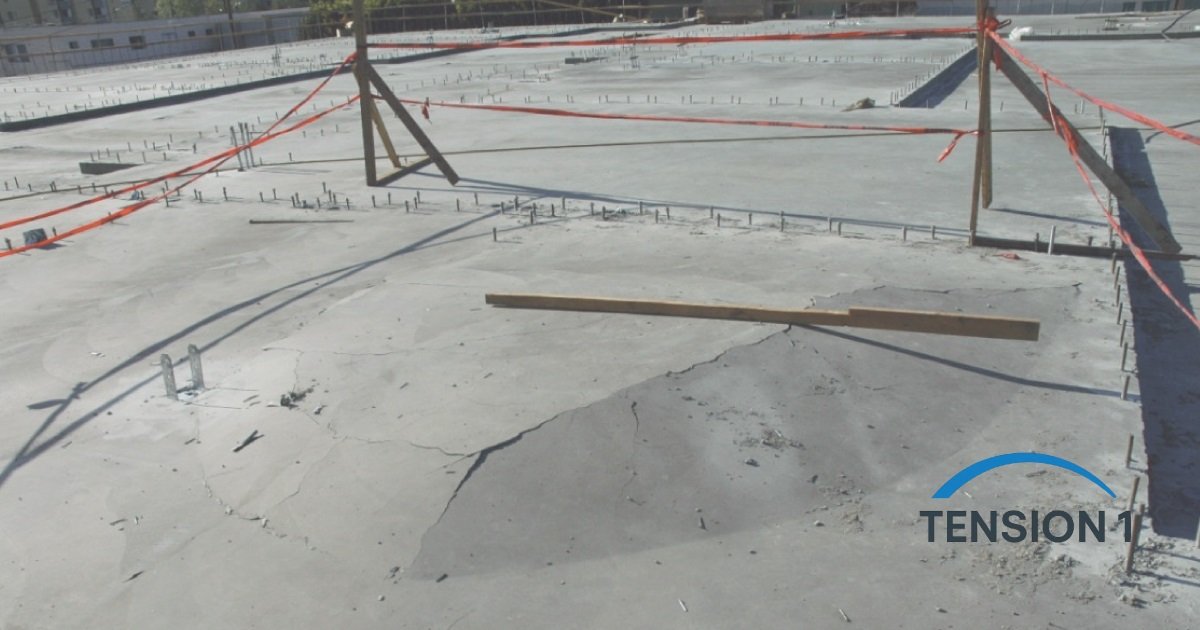
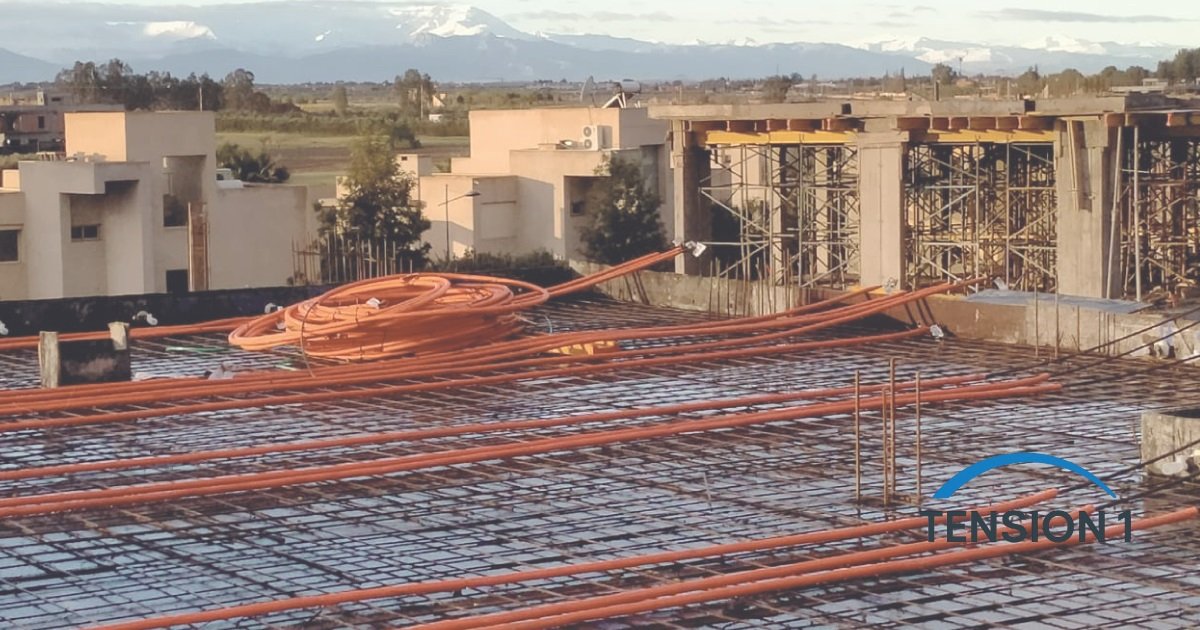
Your slab contains tendons, steel cables running through it, pulled tight after the concrete hardens and locked at each edge by an anchor set in a small recess called a pocket, then capped and grouted.
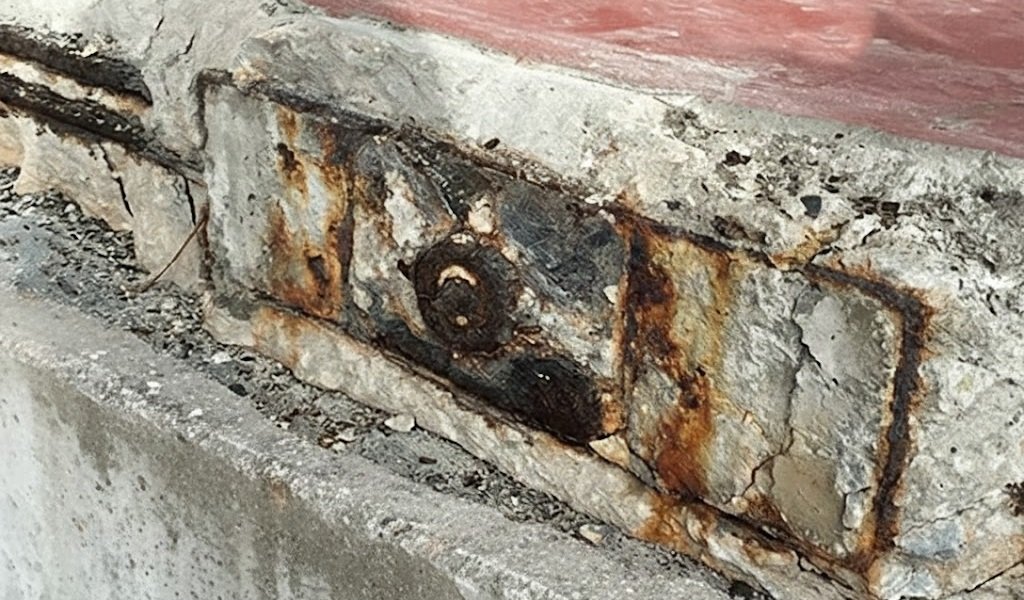
Rusty or Damaged End Caps
On many systems each cable end is covered by an encapsulation cap, a grease-filled plastic cap that keeps water off the steel. When the pocket fill fails, the cap shows. End caps rusting or damaged appear as brown streaks below the pocket, a cracked or missing cap, or weeping grease. A stain does not show how far corrosion has gone, only that water has found a path.
Exposed Cable Ends
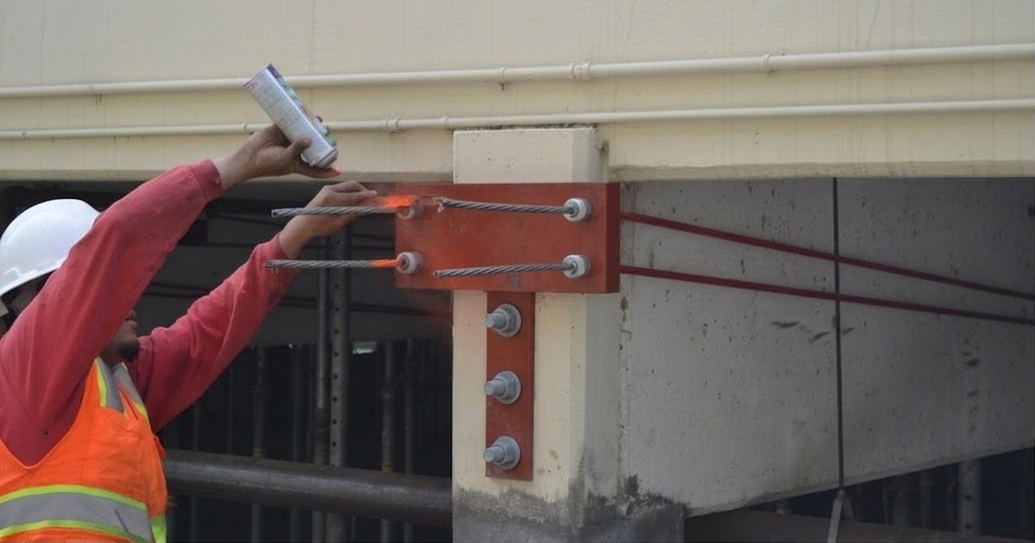
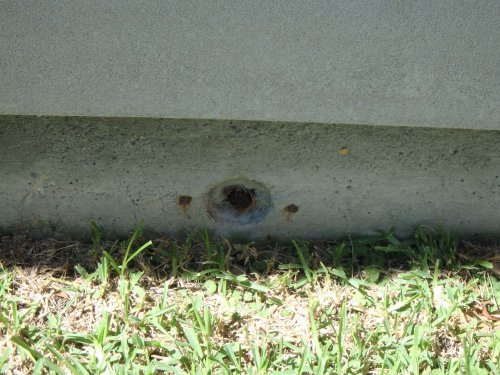
Post tension cable ends exposed at the slab edge are strand tails, the short piece of cable left after each tendon is cut following stressing. PTI's Construction and Maintenance Manual for Post-Tensioned Slab-on-Ground Foundations (DC10.2-17) treats cutting the tail and filling the pocket as part of finishing each tendon, so a visible tail means that fill is missing or failed. The cable is still tensioned behind the anchor: never pry, hammer or grind it.
Spalled Anchor Pockets
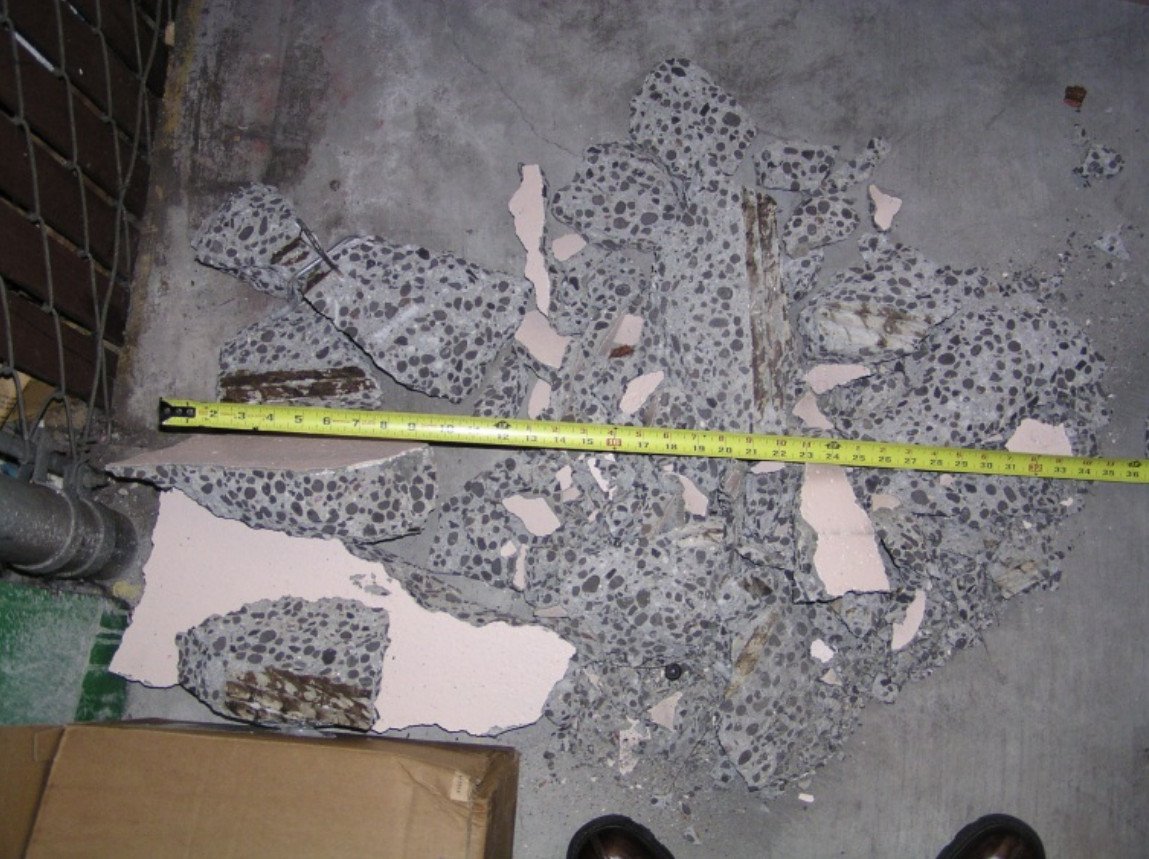
Spalling at anchorage is concrete breaking away in flakes or chunks around the anchor. Rust occupies more volume than its steel , and pushes the patch off from behind. A December 2016 PTI Journal case study on slab edge repairs with post-tensioning anchors describes spall repairs that uncovered rusted anchors. The spall is the symptom; the anchor is the question.
What Sits Behind the Pocket, and Why Water Is the Problem
Behind the patch, wedges, small tapered steel pieces, grip the strand inside a steel anchor casting and hold the full tendon force, which the concrete just behind it, the anchorage zone, carries into the slab. The cap and grout plug are the only barriers between that steel and the weather.
PTI Technical Note 18 on encapsulated unbonded tendons reports that improper cap installation, often an overlong strand tail that kept the cap from seating, was the key issue behind corrosion cases a PTI task group investigated. That is why sealing grout pockets is not cosmetic. The ACI 423.4R-14 report on corrosion and repair of unbonded single-strand tendons warns that repairing the concrete may not stop corrosion already started in the steel.
The Post Tension Anchor Repair Method We Propose, Step by Step
Our proposed post tension anchor repair method follows the evaluation and repair sequence of PTI DC80.3/ICRI 320.6, Guide for Evaluation and Repair of Unbonded Post-Tensioned Concrete Structures . Only Step 1 is yours; the rest belongs to a qualified post tension slab repair crew, directed by an engineer when the findings call for it.
Step 1: Map and Photograph Every Anchor Along the Edge
Photograph every pocket around the perimeter and note its distance from a corner. A pattern along one wall usually points to a water source. Do not chip or probe anything.
Step 2: Open the Pocket Without Disturbing the Anchor
Anchor pocket patching starts with removing the failed fill without striking the anchor or wedges. PTI DC80.3 cautions against disrupting concrete near the anchorage zone because of the concentrated stresses there .
Step 3: Inspect the Anchor, Wedges and Strand Tail
In the PTI Journal case above, removed anchors ranged from edge surface rust to localized pitting. Surface rust is usually cleaned and re-capped. Pitting, loose wedges or a slipped or broken strand end the patch: a structural engineer experienced in post-tensioning evaluates the tendon, and the job may become a tendon repair, as in our step-by-step guide to fixing a severed post-tension tendon. Damaged sheathing, the plastic tube around the strand, is covered by PTI FAQ 16 on sheathing repair of exposed tendons . The governing code edition and project documents prevail; repair design and approval belong to the licensed engineer of record.
Step 4: Clean the Strand End and Fit a New Grease-Filled Cap
For a sound anchor, the crew cleans the wedges, trims an overlong tail , and fits a new cap filled with PT coating, the corrosion-inhibiting grease used on tendons. This is where end caps rusting or damaged get fixed. PTI M10.2-17, Specification for Unbonded Single Strand Tendons, requires encapsulation for tendons in structures governed by ACI 318 , so a house slab's cap detail is checked against the specification that applies.
Step 5: Patch and Seal the Anchor Pocket
The pocket is cleaned, roughened for bond, and filled flush with a non-shrink, non-metallic grout . As STRUCTURE magazine's overview of PT tendon repair notes, grease and a cap go over the wedges and strand tail before the pocket is grouted.
Step 6: Keep Water Away and Schedule a Recheck
PTI construction and maintenance guidance for slabs on ground (DC10.2-17) places drainage and moisture maintenance around the foundation on the property owner. Grade soil away from the edge, keep sprinklers off the pockets, and recheck the anchors using our maintenance checklist of 10 visual checks for homeowners.
What We Propose You Check in the Repair Quote Before Work Starts
Two post tension anchor repair quotes can describe very different jobs. Check that the scope answers five questions:
- How many pockets are opened? Only visible ones, or also a sample of sound-looking anchors.
- What triggers escalation? What happens if pitting or a broken strand is found, and who decides.
- What cap goes back on? A new grease-filled cap, not tape or sealant over the tail.
- What fills the pocket? The named grout and surface preparation.
- Who documents the work? A photo of every capped anchor before grouting.
Price depends on access, pocket count and what is found behind them. For costs, see the warning signs that call for expert post-tension slab repair and what those repairs cost. For a second opinion on a quote you hold, a paid technical consultation on your repair quote is available.
Who to Call for Post Tension Anchor Repair
Call in this order. First, a post tension slab repair contractor with PTI-certified field personnel; PTI DC80.3 recommends PT experience and PTI training for repair firms and supervisors . Second, a structural engineer experienced in post-tensioning whenever spalling, pitting or a moved tail appears. Nobody cuts, cores or drills near the edge until tendons are located.
See whether post-tension slabs require regular professional inspection; our editorial policy explains how we date the standards cited.
When the findings go beyond a cap and a patch, TensionOne's post-tension slab diagnostics support helps your engineer and contractor document the post tension anchor repair scope, as independent technical support without a PE stamp; sealing and approval stay with the licensed engineer of record.