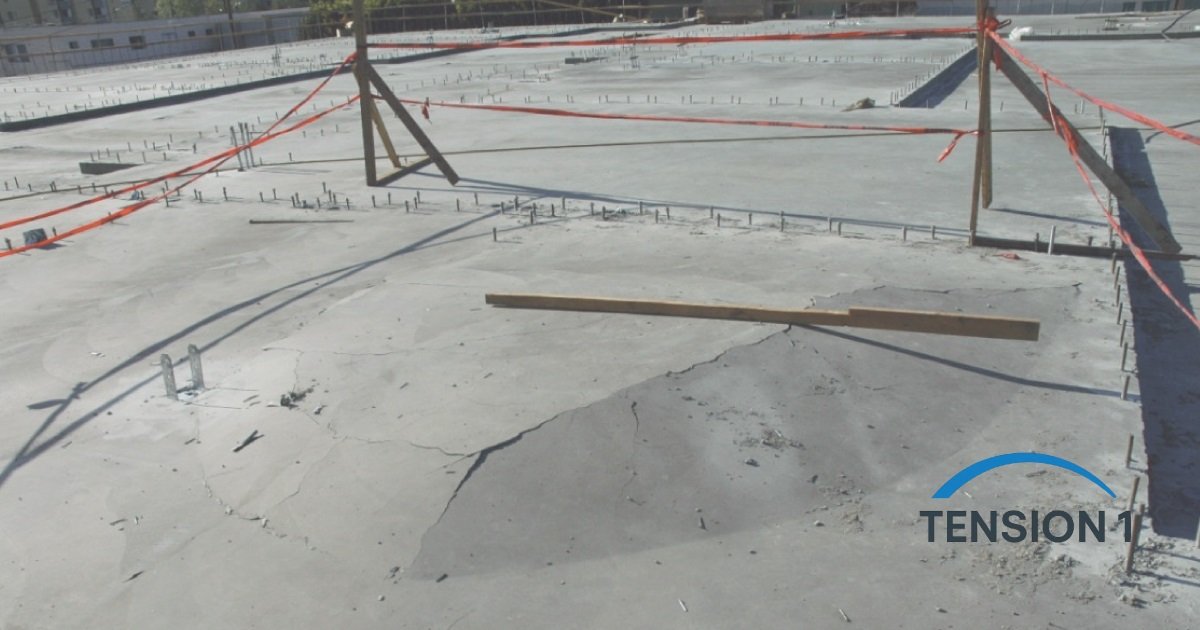
A crack shows up in the garage floor, or a line appears through the hallway tile, and the first quote names a product before anyone asks why the slab cracked. Cracks in post tension slab foundations are common. This post tension slab crack repair comparison covers the four methods you are likely to be offered: routing and sealing, epoxy injection, polyurethane injection, and tendon repairs.
Each fits a different crack. Sealant leaves a structural crack unbonded. Rigid epoxy in a moving crack lets the slab crack again beside it. Filling a crack caused by a corroding tendon hides the real problem. The crack, not the product, picks the method.
Cracks in a Post Tension Slab: What You Are Looking At
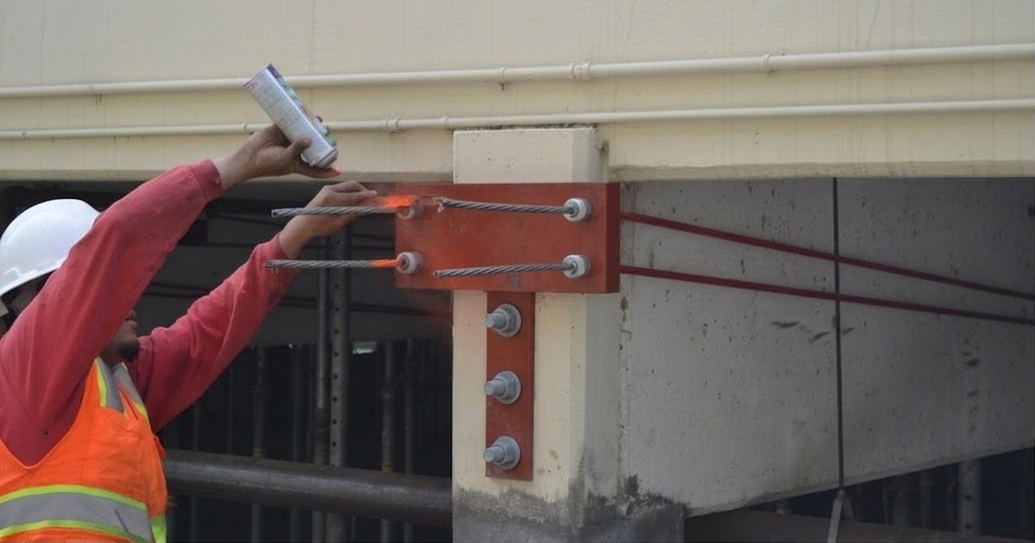
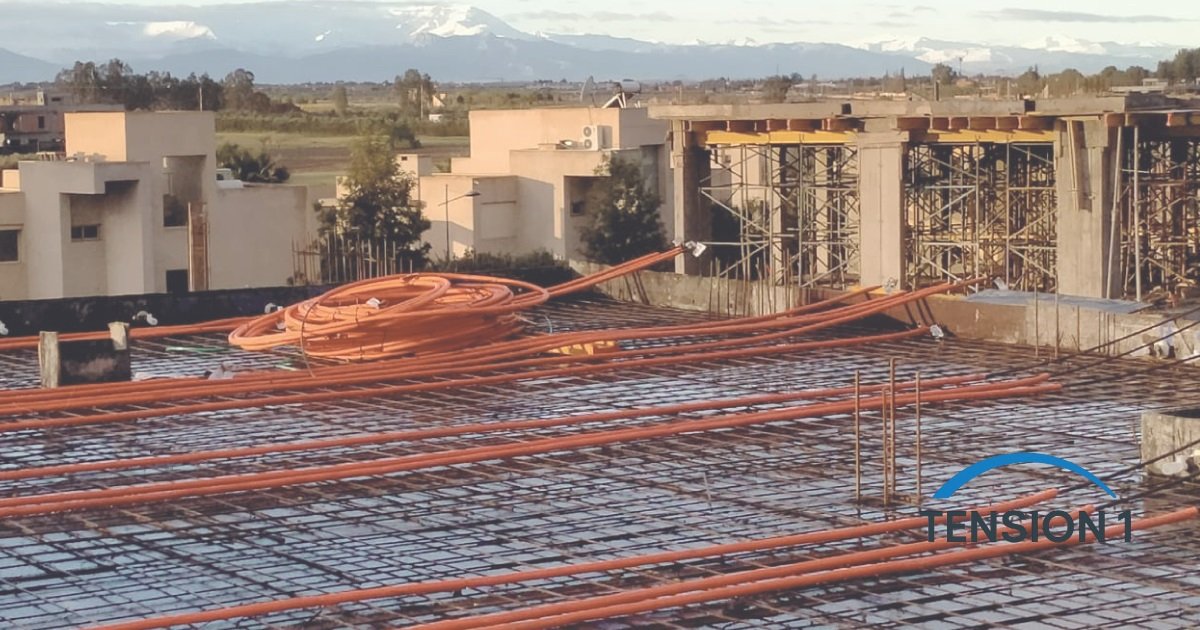
A post-tensioned (PT) slab carries tendons, steel cables stretched through the concrete after the pour and locked at the slab edge by anchors. The stretched tendons squeeze the concrete, which tends to keep shrinkage cracks tight.
PTI DC10.8-18 sorts slab distress into cosmetic, functional and structural classes, set by evaluation, not by looks. Five signs call for that evaluation sooner:
- One side sits higher: something moved.
- The crack keeps widening: it is active.
- Water comes through.
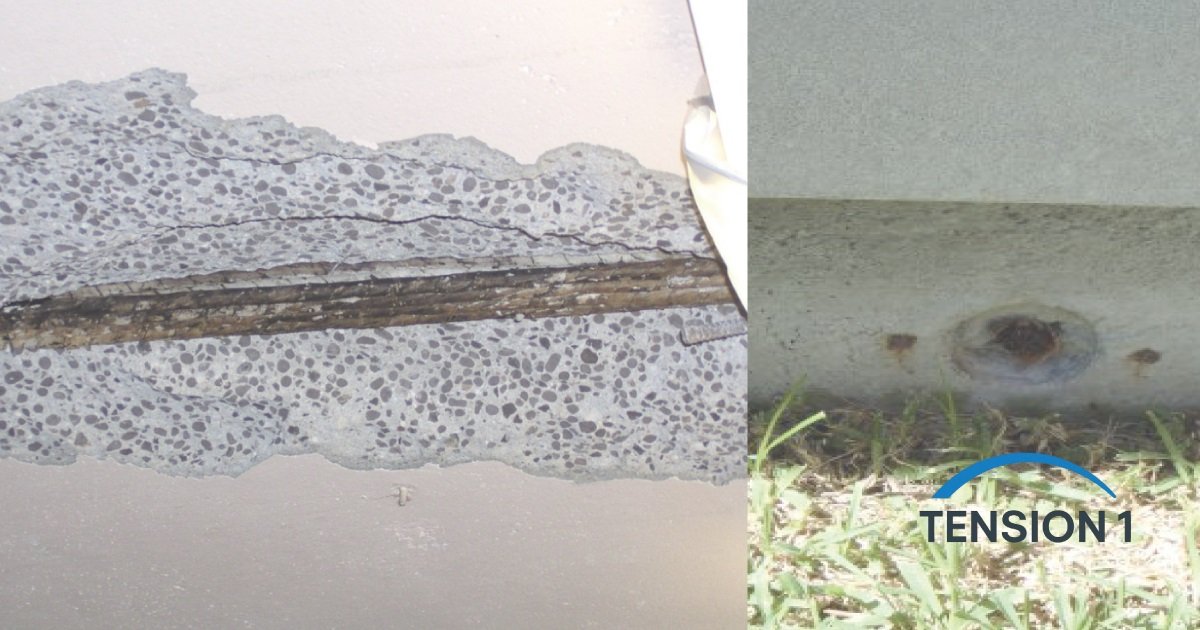
- Rust-colored staining: steel may be corroding.
- Concrete breaks away near an edge anchor.
Before any post tension slab crack repair, read the warning signs that a post-tension slab needs expert repair.
Read the Crack Before You Choose a Repair
Two cracks of the same width can need opposite repairs. Post tension slab crack repair starts with four questions, answered on site by a licensed engineer:
- Still moving? A dormant crack has stopped changing. An active one has not.
- Needs strength back? Cosmetic cracks need closing, structural ones bonding.
- Lets water through? Then the material must stop water.
- Tied to a tendon or anchor? Scanning (a nondestructive steel survey) and the PT drawings answer that.
ACI 224.1R-07, ACI's crack repair report, warns that a repair chosen without the cause may only be temporary. Four answers narrow four methods to one. Who inspects, and when: whether post-tension slabs need regular professional inspection.
The 4 Post Tension Slab Crack Repair Methods Side by Side
| Method | Crack it fits | Restores | Handles movement | Into the slab |
|---|---|---|---|---|
| Routing and sealing | Needs closing only | A seal, no strength | Some, with flexible sealant | Shallow surface groove |
| Epoxy injection | Dormant, needs strength back | Bond across the crack | No, rigid once cured | Ports along the crack |
| Polyurethane injection | Leaking or still moving | A water stop, no strength | Yes, stays flexible | Surface or drilled ports |
| Tendon-related repair | Tied to a tendon or anchor | Tendon force, then concrete | Not applicable | Opening to expose the tendon |
How we compared: no tests, only the criteria in ACI 224.1R-07, ACI RAP-1, ICRI 710.5-2024 and PTI DC80.3-24/ICRI 320.6-2024, per our sourcing and corrections policy. The governing code edition and your project documents prevail; the licensed engineer of record owns the repair design.
Rigid epoxy quoted for a crack nobody checked for movement is a mismatch. For a second opinion on a post tension slab crack repair quote, a paid technical consultation is available.
What Drives the Cost to Repair a Localized Crack in a Post Tension Slab
No post tension slab crack repair price here: an unsourced figure is a guess. The cost moves with the method, the crack length, the flooring to remove, the tendon scan, the engineer's evaluation and any tendon work. General cracked slab repair cost guides may omit the scan or evaluation. Estimates by damage type: our post-tension slab repair cost calculator for Texas regions.
Which Repair Fits Which Crack: What Worked on Site and What to Watch
Each post tension slab crack repair method fits one kind of crack. Sources are named point by point.
1. Routing and Sealing: For Cracks That Need Sealing, Not Strength
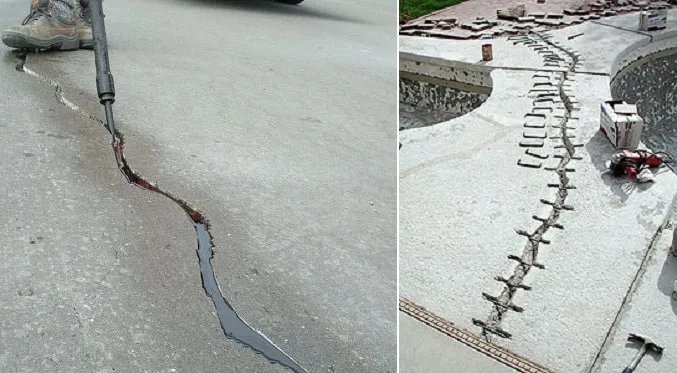
Routing, the lightest post tension slab crack repair, cuts the crack's top into a groove filled with sealant. ACI 224.1R-07 describes it for cracks needing no structural repair.
What worked on site
- It closes the crack to water and dirt (ACI 224.1R-07).
- A flexible sealant follows small movement.
What to watch
- It restores no strength.
- The saw enters a slab with tendons: a December 2010 STRUCTURE magazine article on PT slabs describes scanning for them before any cut. Never cut it yourself.
2. Epoxy Injection: For Dormant Cracks That Need Their Strength Back
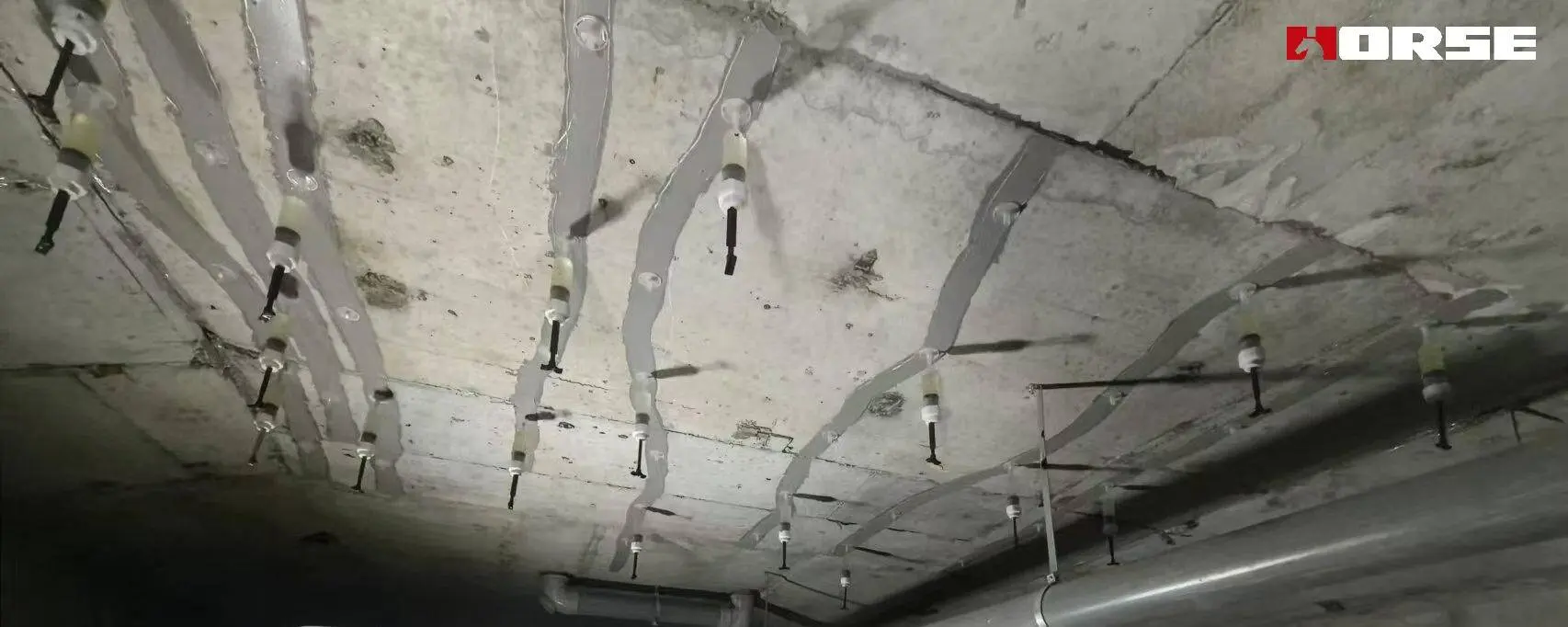
Epoxy injection concrete crack repair seals the surface, sets ports (small nozzles) along the crack and pumps in epoxy, a two-part resin that cures hard. ACI RAP-1 epoxy injection bulletin puts finding the cause first. The TxDOT Concrete Repair Manual specifies epoxy classed Type IV, Grade 1 under ASTM C881/C881M-20a.
What worked on site
- It bonds a dormant crack and can restore structural integrity (ACI RAP-1).
- It keeps out water and chlorides, salts that corrode steel (TxDOT).
What to watch
- It is rigid: on an active crack, the slab tends to crack again beside it.
- It restores bond, not tendon force.
3. Polyurethane Injection: For Cracks That Leak or Keep Moving
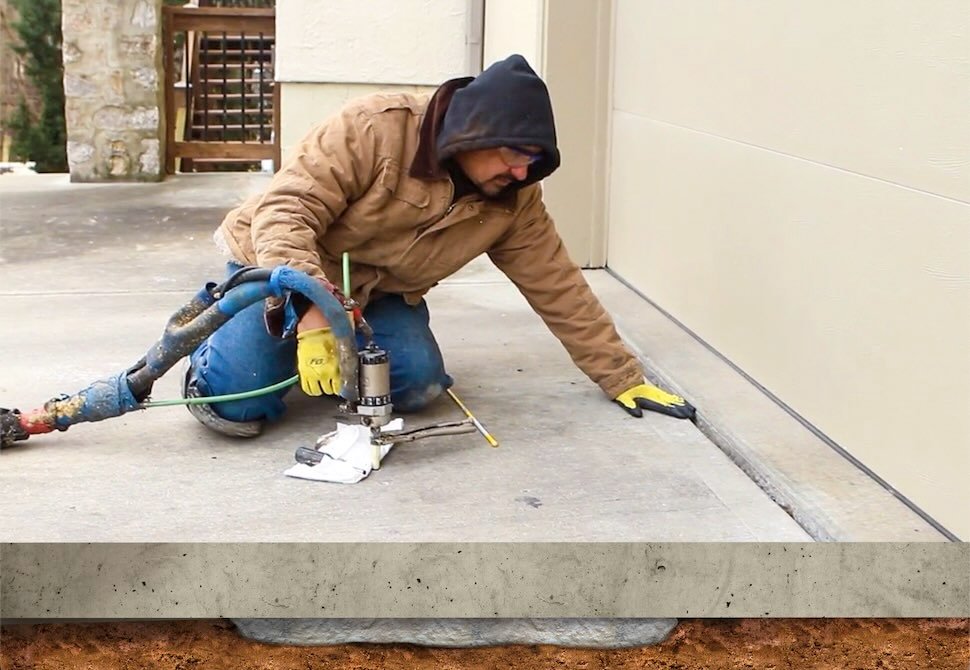
Polyurethane injection pumps a water-reactive resin that cures into a flexible foam or gel. ICRI 710.5-2024 on leakage-control grouts covers material choice, and ASTM D8109-17(2024) describes surface or drilled ports.
What worked on site
- It stops or reduces a leak (ICRI 710.5-2024).
- It stays flexible as the crack moves.
What to watch
- It adds no strength.
- Drilled ports mean the tendons are located first.
- A leak may not fully stop (ASTM D8109-17(2024)).
- On a slab-on-ground, check first for a plumbing leak beneath it.
4. Tendon-Related Repairs: When the Crack Is a Symptom, Not the Problem
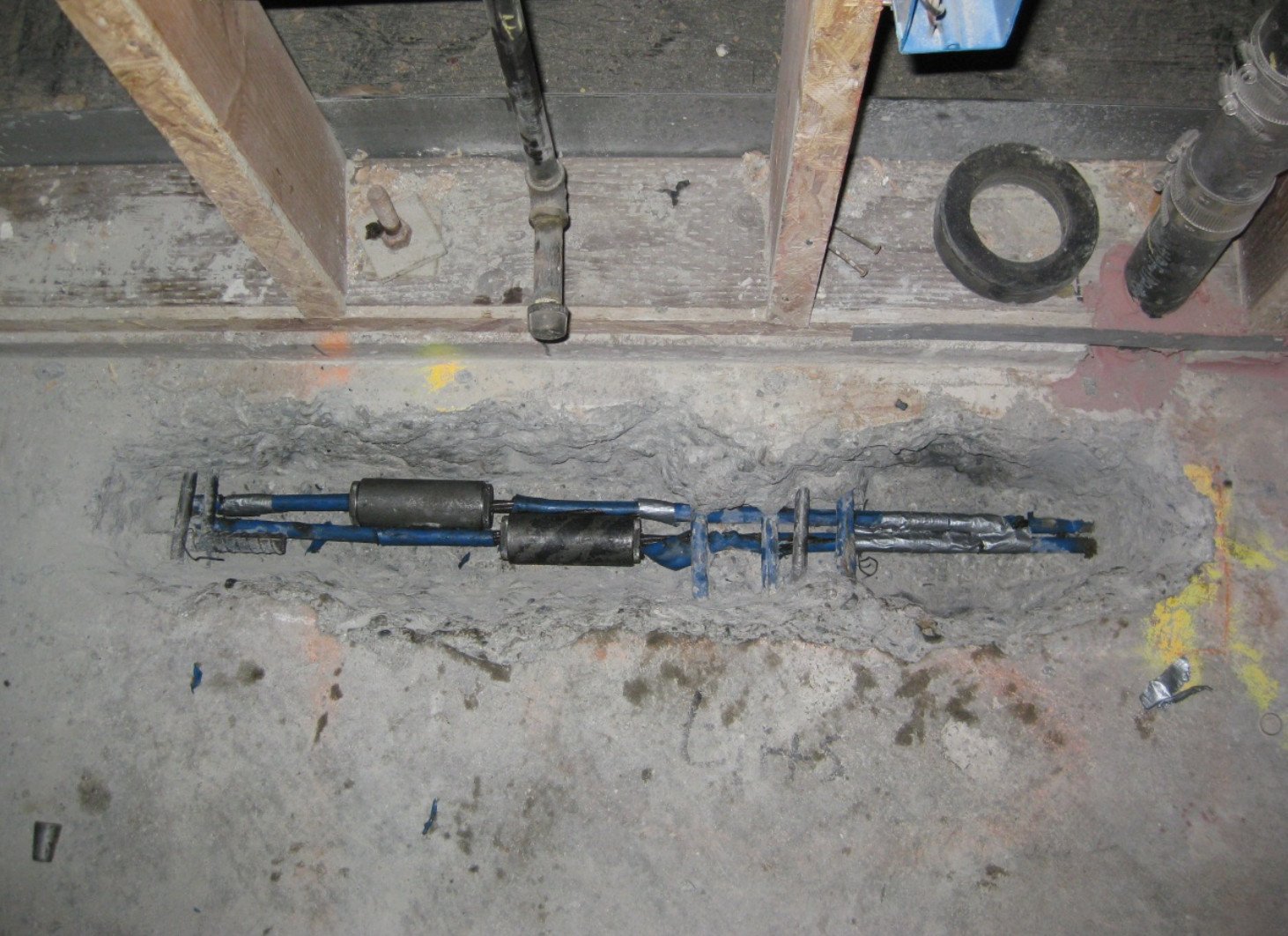
Rust staining, broken concrete at an edge anchor, or a crack along a scanned tendon line can signal a tendon problem. Filling that crack hides the cause. This post tension slab repair, including anchorage repair and tendon replacement, is covered in the PTI DC80.3-24/ICRI 320.6-2024 repair guide.
What worked on site
- The crack is repaired last, after the tendon and its anchor.
What to watch
- Work for a PT specialty contractor and a licensed engineer, never an owner.
- Re-stressing, pulling the tendon back to design force, uses a jack; OSHA 29 CFR 1926.701(c), 2015 CFR edition, keeps non-essential people from behind it.
Repair steps: our step-by-step guide to fixing a severed post-tension tendon.
Who to Call for Post Tension Slab Repair, and in What Order
The first call is not the repair contractor:
- A licensed professional engineer experienced with PT, to find the cause and choose the method, in Texas following the ASCE Texas Section foundation guidelines (Version 2, 2009).
- A concrete scanning technician, to locate tendons before any cut or drill.
- The matching contractor: injection or crack repair for methods 1 to 3, PT specialty for method 4.
- A plumber with leak detection, if the water source is unclear.
That order settles the post tension slab crack repair method before money is spent. The governing code edition (ACI CODE-562-21 for existing concrete, where adopted) and your project documents prevail; sealing and approval belong to the licensed engineer of record.
Holding an engineer's report or repair proposal? Our post-tension slab diagnostics support reviews the method independently, without a PE stamp and never in place of the on-site inspection.