Your inspection report says the house sits on a post-tensioned slab. You may see a warning stamp in the garage and small patches along the foundation edge. The question follows: what is the post tension slab lifespan, and how much is left?
Online numbers rarely cite a source, and none tells you whether what actually ends a slab's life is under control at your address: wet steel, moving soil, a misplaced saw cut. The Post-Tensioning Institute's maintenance manual (DC10.2-17) treats perimeter drainage on clay as critical to performance over the expected service life.
This guide covers the three conditions that decide post tension slab lifespan, the 6 mistakes that shorten it, and who to call, in order.
What you can see of a post tension slab, and why it matters
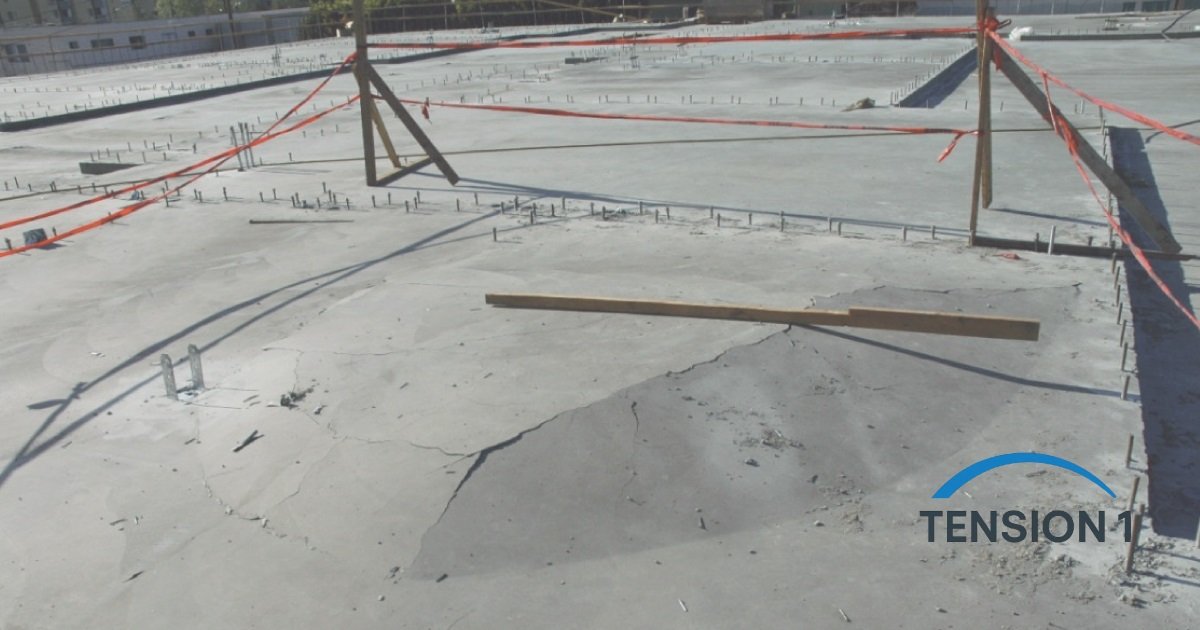
Most of the slab is hidden. The useful clue is outside: small grout patches along the foundation face.
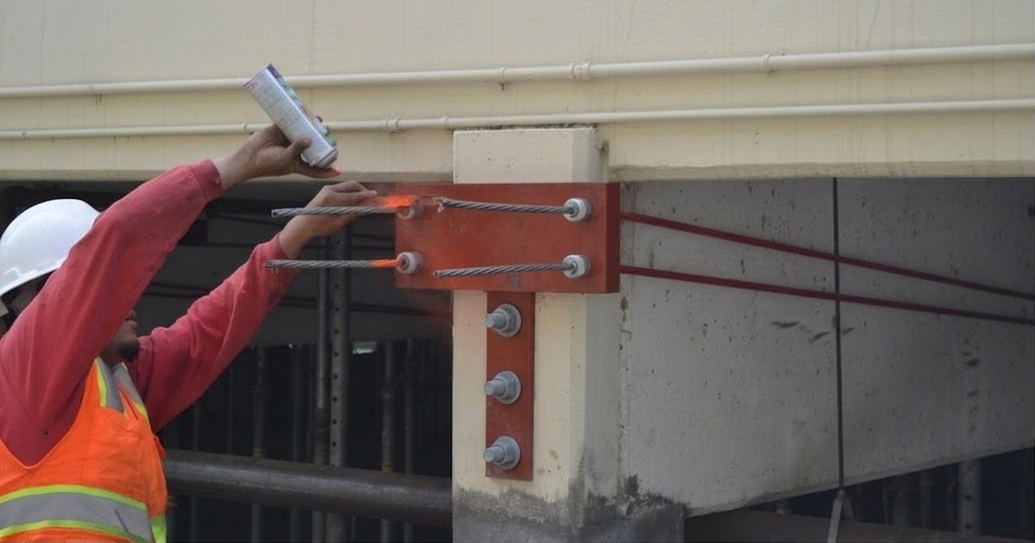
A tendon is the steel cable running through your slab. It is pulled tight after the concrete hardens and locked at each edge by an anchor sitting in a recess called an anchor pocket. Each patch seals one pocket.
Those patches matter for post tension slab lifespan because the anchor holds the tendon's force and is where water reaches the steel first. A cracked patch is not a diagnosis. It is what a qualified inspector checks first.
How long does a post tension slab last?
We found no published figure in years for a residential post tension slab lifespan. Design standards set soil movement and loads, not years. How long a post tension slab lasts depends on three conditions:
- The tendons stay dry. Tensioned steel that corrodes loses section and can break.
- The soil moisture stays stable. Uneven swelling and shrinking bends the slab beyond its design.
- The tendons stay uncut. A cut tendon loses its force along its full length.
All three are within an owner's reach, which makes post tension slab lifespan largely an owner decision.
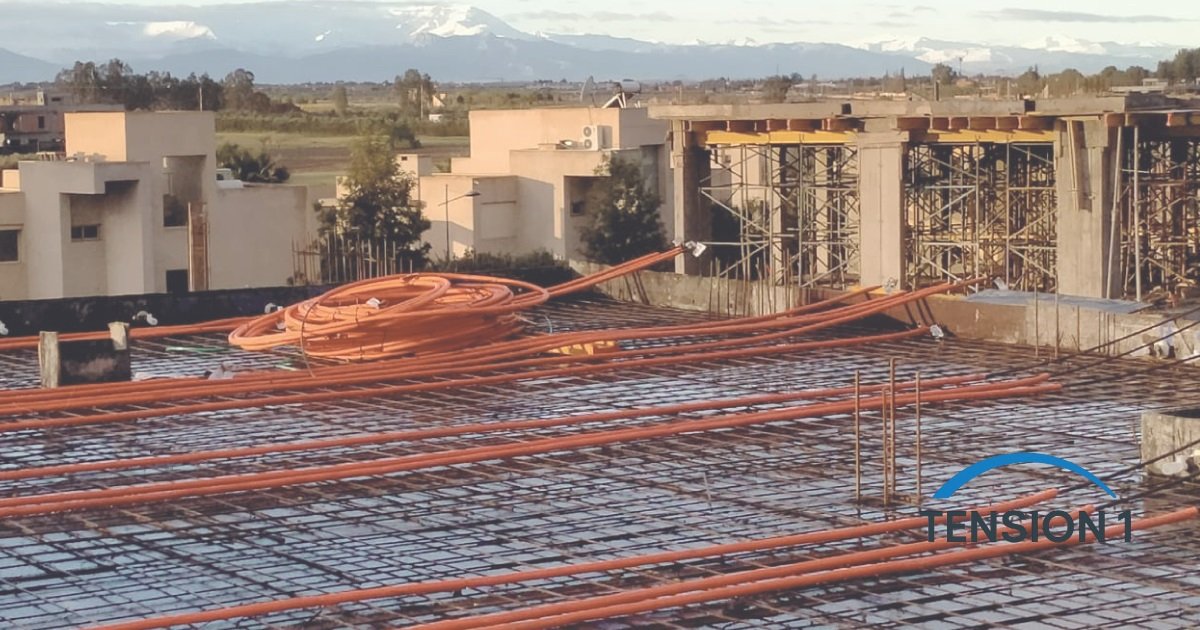
Steel cables under tension, sealed in plastic
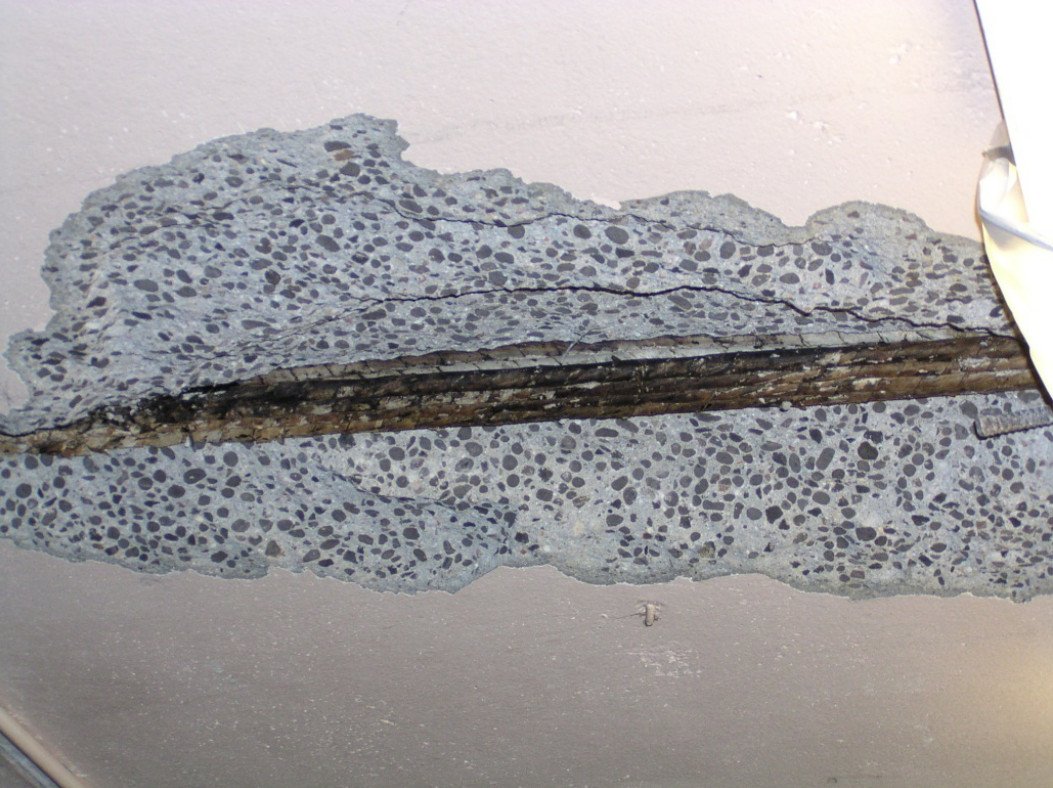
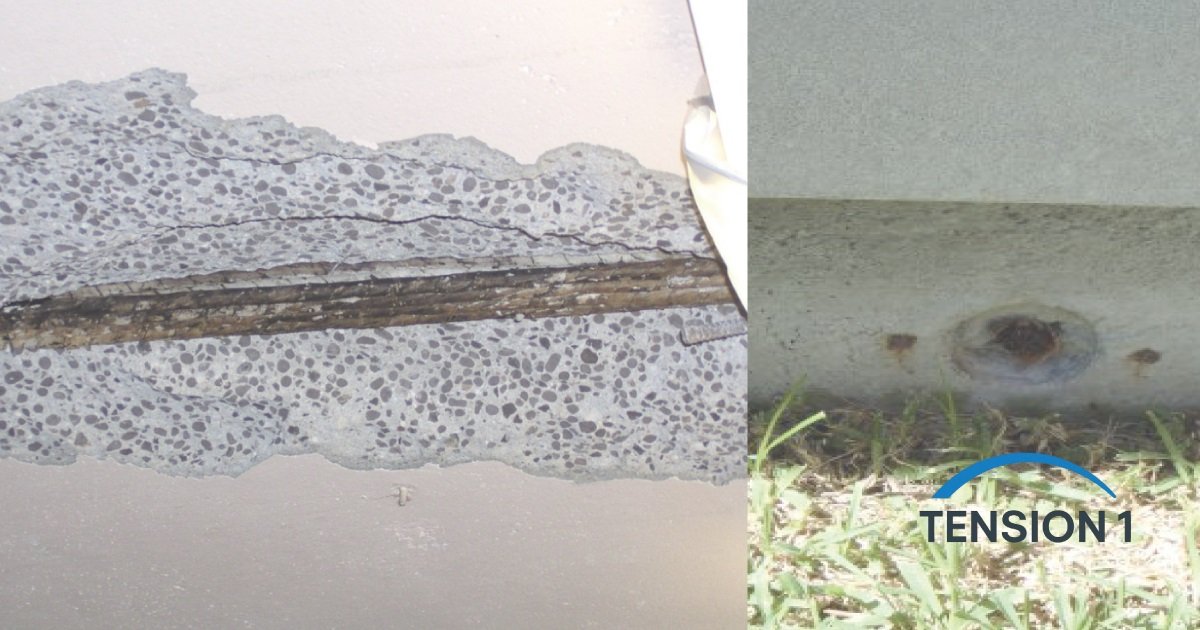
House tendons are usually unbonded: a greased strand inside a plastic sheath, transferring force only at its anchors. Corroded tendons, a term used in repair reports, are tendons where water got past that protection.
The protection level depends on the construction year. PTI M10.2-00 Addendum 3 (December 2011) classed soil contact and stressing pockets that stay wet as aggressive environments. The PTI M10.2-17 specification calls for encapsulated tendons, with a sealed sheath, anchor and cap, in ACI 318 structures and in slab-on-ground work in aggressive environments. PTI Technical Note 18 (May 2014) ties their durability to how the ends were finished. Our editorial policy on standard editions explains how we track them.
The ground underneath: post tension slab Texas conditions
Many Texas houses sit on expansive clay. The Texas Department of Licensing and Regulation's technical bulletin IHB TB 10-01 (revised 2018, 2015 IRC and IBC) explains that these soils heave when wet and shrink when dry.
A post tension slab Texas builders pour on that clay is designed for it. PTI DC10.5-24 sets design soil parameters, including how far in moisture varies and how much differential movement the slab must tolerate. Those are limits, not promises: soil pushed past them shortens post tension slab lifespan. The governing edition and project documents prevail, and sealing and approval belong to the licensed engineer of record.
6 mistakes that shorten a post tension slab lifespan
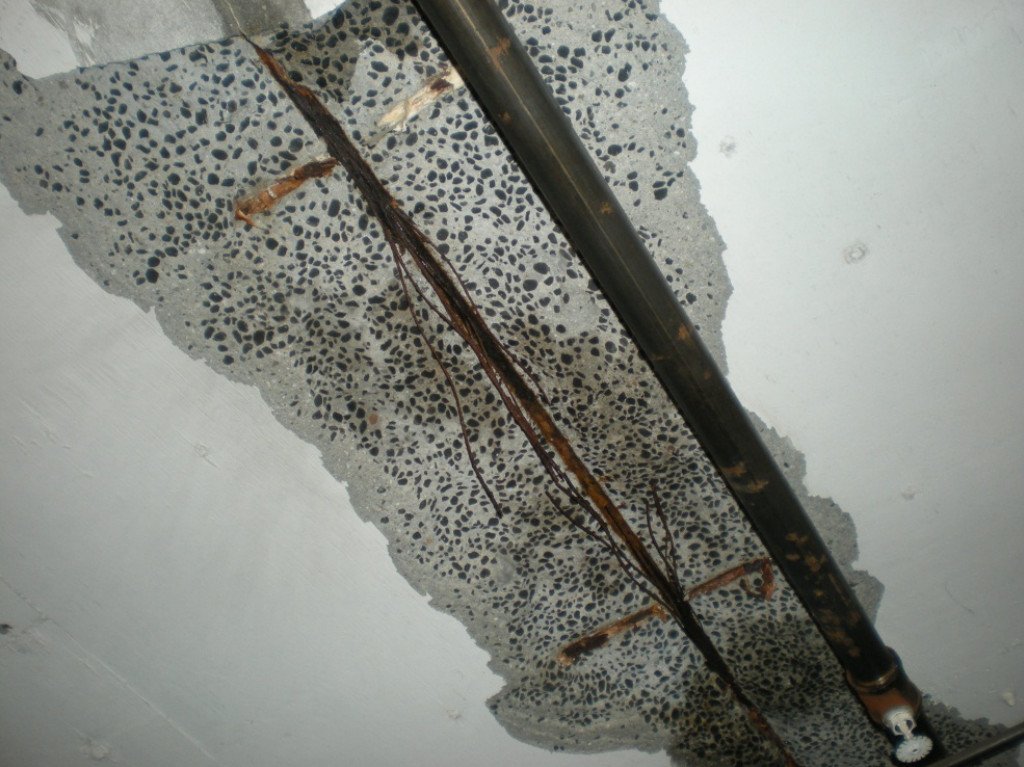
Each is avoidable. None is a diagnosis of your house.
1. Letting water pond against the slab edge
Overflowing gutters and soil sloping toward the house wet the edge. On clay, a wet edge swells while the center does not, and the slab bends. PTI DC10.2-17, the Construction and Maintenance Manual for Post-Tensioned Slab-on-Ground Foundations, treats perimeter drainage as critical.
2. Wet and dry cycles from irrigation and trees
Watering one side only, or a large tree drying the soil nearby, creates uneven movement. The TDLR bulletin names drainage, plant choices, sprinkling and long-term maintenance as the controls. Texas A&M AgriLife Extension publication B-5002 covers foundation watering for owners.
3. Ignoring a slab leak under the house
A leak under the slab wets the clay from below and can lift one section. Signs include a rising water bill or a warm floor spot. It is a plumbing repair first, and no one opens the slab before the tendons are located.
4. Leaving anchor pockets cracked or open
A cracked or missing patch lets water reach the anchor. That is why PTI's 2011 addendum treats a wet pocket as aggressive exposure, and why corroded tendons often start at the edge. Rust staining calls for an inspection, not a chisel.
5. Cutting, coring or drilling before the tendons are located
Cutting an unbonded tendon anywhere releases its force along its whole length, and the strand can release suddenly: a safety hazard and a direct hit on post tension slab lifespan. Any drain, anchor or saw cut needs the tendons located first, typically by ground-penetrating radar, and a licensed structural engineer's review. PTI DC80.3-24/ICRI 320.6-2024 covers evaluation and repair for professionals. If a tendon was hit, see our emergency protocol for a cut post-tension tendon.
6. Adding a pool, an addition or heavy loads without design input
A pool near the edge changes the soil beside the slab; an addition changes what it carries. PTI DC10.5-24 frames design around typical residential loading. Each needs a licensed engineer's review; the governing code edition and project documents prevail. Skipping it costs post tension slab lifespan you cannot recover.
Checks that extend post tension foundation lifespan
We propose a seasonal routine that never touches the concrete:
- After heavy rain, look for standing water at the slab edge.
- In dry spells, water evenly around the foundation.
- Note any anchor pocket patch that is cracked, missing, stained or damp.
- Watch the water bill.
- Before any work on the slab, have the tendons located.
- Keep the foundation drawings and soils report with the house papers.
That is post tension slab maintenance at owner level. Our post tension slab maintenance checklist with 10 visual checks details each item, and our answer on whether post-tension slabs require regular professional inspection explains when to book a visit. Holding a repair quote? A paid technical consultation can give a second opinion.
Who to call, and in what order
If cracks or sticking doors have appeared, read the 5 warning signs a post-tension slab needs expert repair. Otherwise, protect your post tension slab lifespan by calling in this order:
- A licensed plumber with leak detection, if you suspect a slab leak.
- A tendon locating or concrete scanning firm, before any cutting or drilling.
- A licensed professional engineer practicing structural engineering, to evaluate the slab on site.
- A post-tensioning repair contractor with PTI-certified field personnel, to do what the engineer specifies. The 2012 edition of PTI DC80.3 recommended at least five years of experience and PTI certification for these teams.
When the engineer needs calculations, tendon layouts or a review of the original drawings, our post-tension slab design, optimization and diagnostics support produces that documentation as independent technical support, without a PE stamp. Sealing and approval remain with the licensed engineer of record.